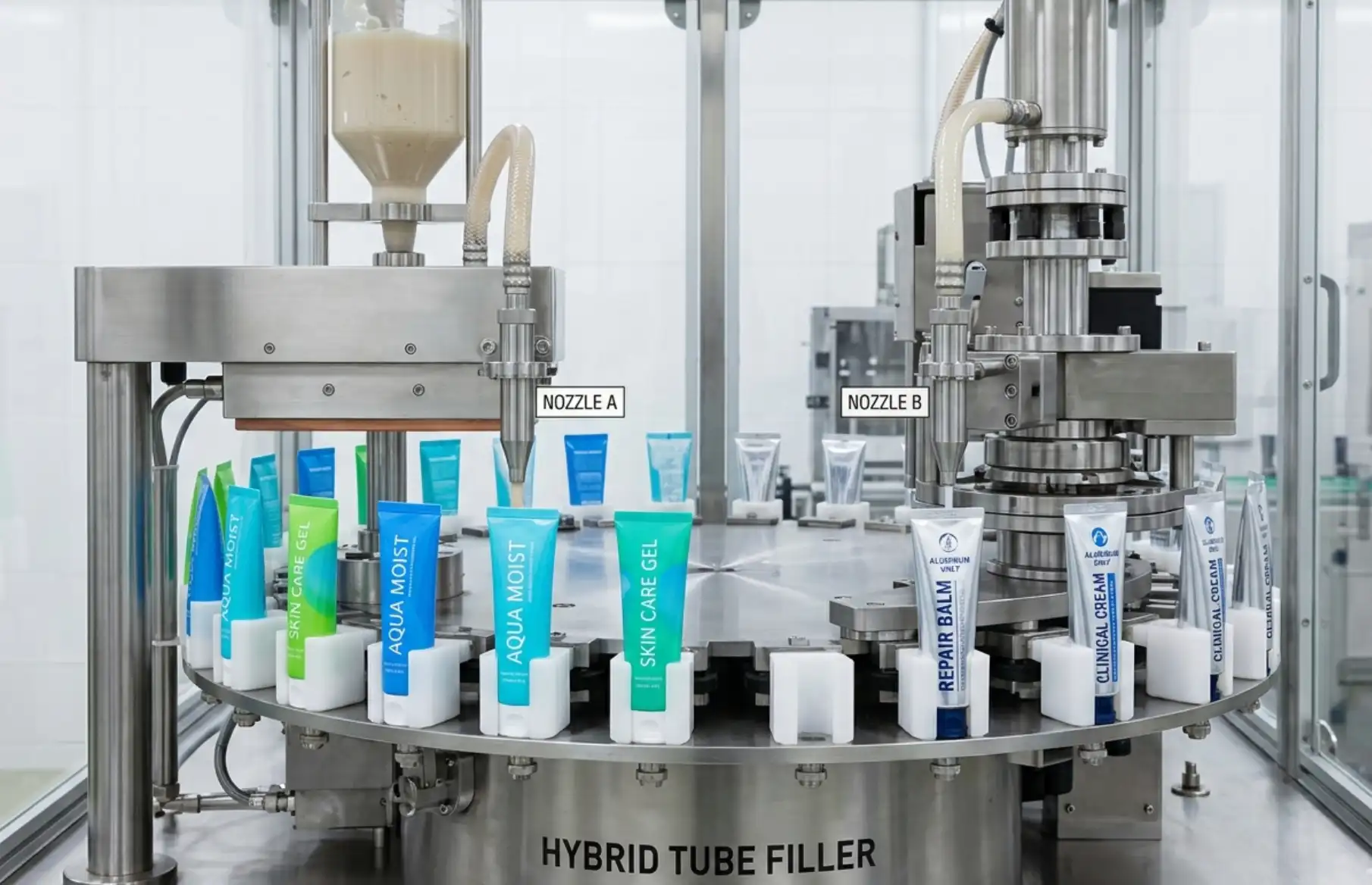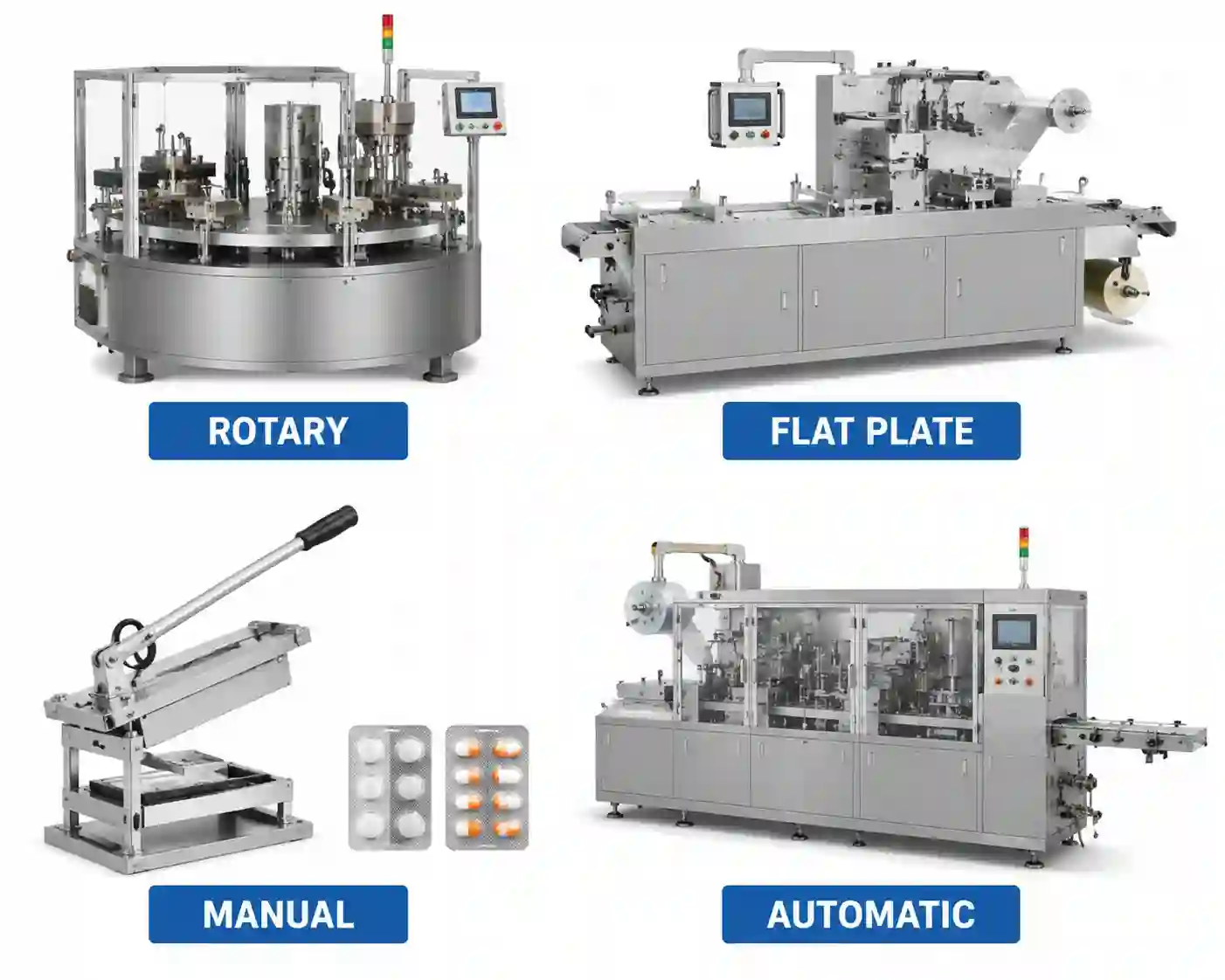
Engineer Tips: Tube Filling Machines Maintenance Before Downtime Hits
Introduction
From my experience on the site, tube filling machines don't fail suddenly. Usually, a sticky valve, a misaligned tube, or subtle changes in product consistency will cause minor issues often before anyone notices. A little residue here or a tiny misalignment there, you will see the filling quality doesn't as reliable as it was at the start of the shift.
Today we are here to share practical advice for tube filling sealing machine daily maintenance and troubleshooting, hope it it bring you advises before you counter production-stopping issues.
1. Daily Maintenance Essentials
Here’s what usually makes the difference between a smooth shift and constant adjustments:
- Clean critical components: Nozzles, sealing jaws, and guides. Even a thin film of product can slowly cause inconsistencies.
- Lubricate moving parts: Screws, pistons, and gears. Dry components often lead to misalignment over time.
- Check sensors and switches: A misread sensor is a silent cause of unexpected stops.
From my personal experience, skipping these steps even once will cause a series reaction of minor problems that only show up hours later.
2. Weekly & Scheduled Maintenance
Once a week, or according to your scheduled routine:
- Inspect filling valves and pistons. Even small wear affects volume consistency.
- Check sealing elements — heaters, jaws, and belts. Uneven heat or pressure leads to leaks.
- Verify tube guides and conveyor alignment. Misalignment usually creeps in gradually.
- Inspect compressed air filters and regulators. Dirty or fluctuating air is a common source of inconsistent filling.
- Check electrical connections for looseness or corrosion. Even one loose wire can trigger a mysterious shutdown.
Tips: Regular maintenance prevents sudden failures and keeps production predictable.
3. Troubleshooting Common Problems
When a problem pops up mid-shift, here’s how I usually approach it:
| Problem | What I Do |
|---|---|
| Filling volume inconsistent | Check product viscosity, air bubbles, piston wear, and valve adjustment. Small air pockets can change volume noticeably. |
| Dripping / Overflow | Inspect the nozzle, flow rate, and air pressure. A tiny residue often causes dripping. |
| Poor sealing / Leakage | Check heater temperature, jaw pressure, and tube positioning. Misaligned tubes are usually the culprit. |
| Tube misalignment / Jamming | Verify guides, conveyor alignment, and tube dimensions. Tubes from different batches may vary slightly. |
| Unexpected machine stops | Check emergency stops, sensors, power, and air supply. Sensor misreads are silent troublemakers. |
4. Utilities & Environment
Stable utilities are often overlooked until issues arise:
- Compressed air should be clean, dry, and steady.
- Power supply must remain within specification.
- Temperature and humidity can affect product flow and sealing more than most realize.
Even the best-maintained machine struggles if environment and utilities are inconsistent.
5. Performance Monitoring Tips
- Check filling and sealing part at the start of every shift.
- Keep a simple log of minor deviations — trends are more informative than isolated events.
- Document adjustments; tracking recurring issues prevents repeated troubleshooting.
Recording even small anomalies saves hours of headaches and reduces unexpected downtime.
6. Quick Reference Self-Check
Daily Checklist You Can Tick Off:
| Area | Check Item |
|---|---|
| Product | Consistency stable |
| Filling | Volume, drip, air bubbles |
| Sealing | Uniformity, no leaks |
| Tube feeding | Alignment, smooth operation |
| Machine | Clean, no abnormal noise |
| Utilities | Air, power, environment stable |
Internal link:
 |
TubeFillingMachineMaintenance&TroubleshootingChecklist |
7. FAQ
Q1: Why does filling become inconsistent during a shift?
A: Small changes in product or environment usually cause gradual instability.
Q2: Can minor issues be ignored?
A: No. They accumulate and eventually affect quality and efficiency.
Q3: What’s the most effective way to maintain performance?
A: Consistency in machine care, monitoring, and adherence to daily/weekly routines.
Related Guides
→ Tube Filling Machine Selection Checklist
→ Tube Compatibility Checklist
→ Filling Accuracy Checklist
→ Pre-Installation Setup Checklist