How to Choose an Ointment Filling Machine for Pharmaceutical Production
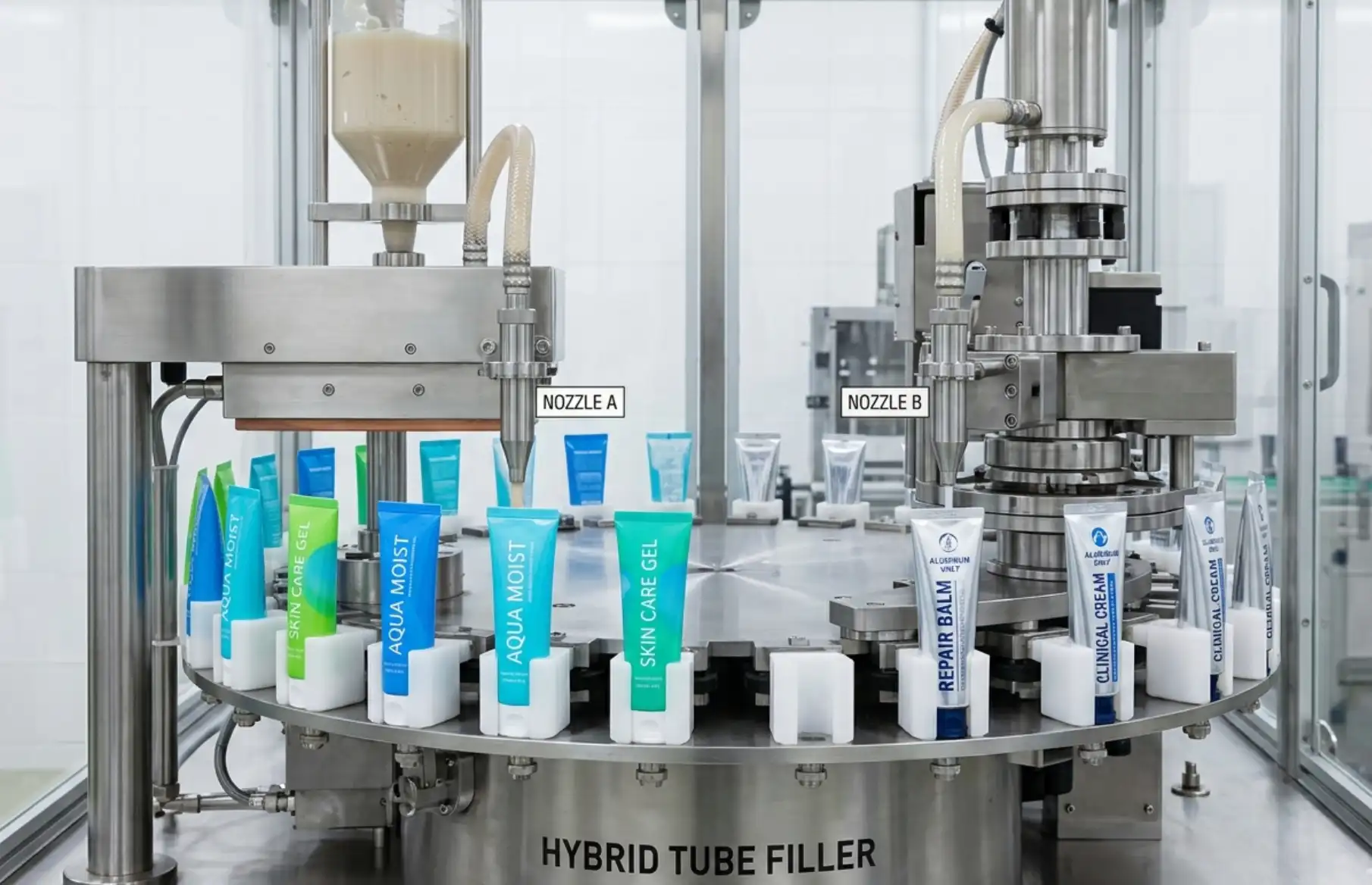
When you are planning to produce pharmaceutical ointments, creams, or gels, right filling equipment decision is a priority to consider. Your ointment filling machine affects filling accuracy, product consistency, production efficiency, and compliance with pharmaceutical manufacturing requirements. However, the best machine is not always the fastest or most automated option. The right choice depends on your product characteristics, packaging format, production volume, and future manufacturing plans. This guide helps you understand what you should evaluate before purchasing an ointment filling machine and how to select a solution that fits your pharmaceutical production needs.
Is an Ointment Filling Machine Suitable for Your Product?
An ointment filling machine is mainly used for filling semi-solid products into tubes, bottles, jars, or other containers.
Typical pharmaceutical applications include:
- Antibiotic ointments
- Medical creams
- Antifungal creams
- Topical gels
- Pain relief ointments
- Herbal pharmaceutical products
The machine is also commonly used for non-pharmaceutical products with similar characteristics, such as cosmetic creams and skincare formulations. Before selecting equipment, you should first confirm whether your product matches the machine’s filling requirements. Key product factors include:
- Viscosity
- Filling temperature
- Product flow characteristics
- Presence of particles
- Required filling volume
A high-viscosity ointment and a low-viscosity gel may require different filling configurations. Providing accurate product information helps suppliers recommend a suitable solution.
What Should You Confirm Before Buying an Ointment Filling Machine?
Many buyers start by comparing machine speed or price. However, these are only part of the decision. Before requesting quotations, you should define your production requirements.
1. Product Characteristics
Your formulation directly affects filling performance. For example, thicker ointments may require stronger filling systems, while products sensitive to temperature changes may need controlled filling conditions.
You should prepare:
- Product type
- Viscosity range
- Filling volume
- Container type
- Production temperature requirements
This information allows suppliers to evaluate whether the standard machine configuration is suitable or whether customization is required.
2. Container and Packaging Requirements
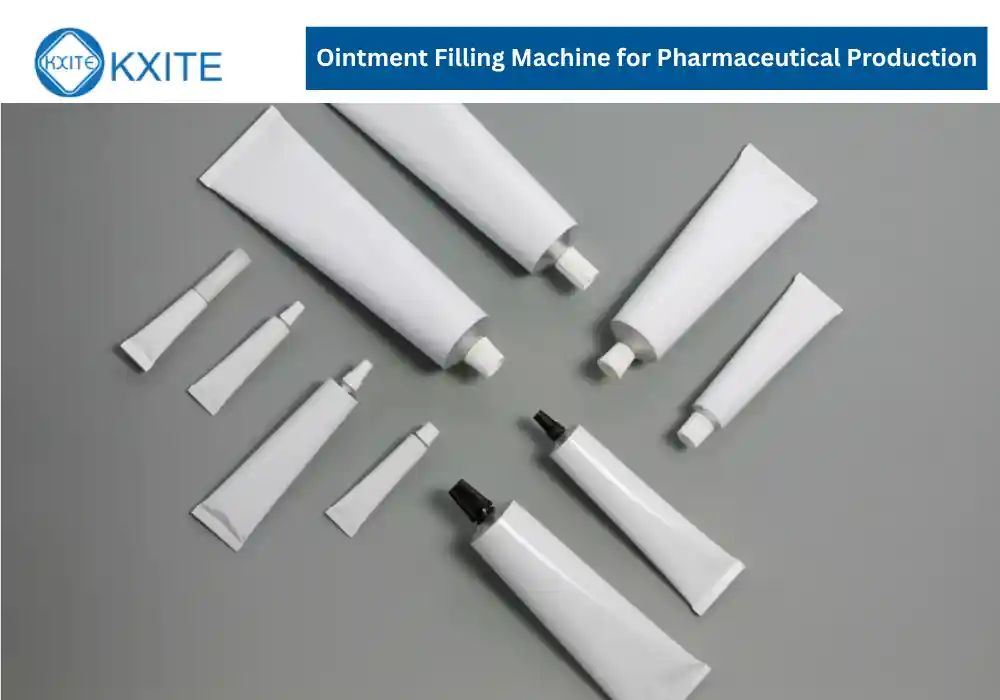
The container format determines the filling and sealing configuration. Common pharmaceutical packaging options include:
| Container Type | Main Consideration |
|---|---|
| Aluminum tube | Requires reliable sealing and folding control |
| Plastic tube | Requires suitable sealing parameters |
| Laminated tube | Requires stable sealing quality |
| Jar or bottle | Requires compatible filling system |
If you plan to produce multiple products, consider whether the machine can support different container sizes and filling volumes.
3. Production Capacity
Your required output should be calculated based on actual production conditions. Consider:
- Daily production target
- Number of working shifts
- Product change frequency
- Future expansion plans
A machine that is too small may limit growth, while an oversized machine may increase investment without improving efficiency. The goal is to select equipment that matches your current demand while leaving reasonable room for future development.
Why Pharmaceutical Production Requires More Than Standard Filling Equipment
Pharmaceutical manufacturing requires higher control over hygiene, consistency, and documentation. When evaluating an ointment filling machine, you should pay attention to:
Hygienic Design:The machine should be designed for easy cleaning and reduced product residue. Important considerations include:
- Contact material quality
- Easy access for cleaning
- Reduced dead areas
- Stable product transfer
Filling Accuracy: Accurate dosing is essential for pharmaceutical products. Consistent filling helps you
- Reduce product waste
- Maintain batch consistency
- Improve quality control
Documentation and Validation Support: Depending on your market and production requirements, you may need supporting documents such as:
- Material certificates
- Machine specifications
- Operation manuals
- Qualification documents
Before purchase, confirm what documentation the supplier can provide.
How Does an Ointment Filling Machine Work in a Production Line?
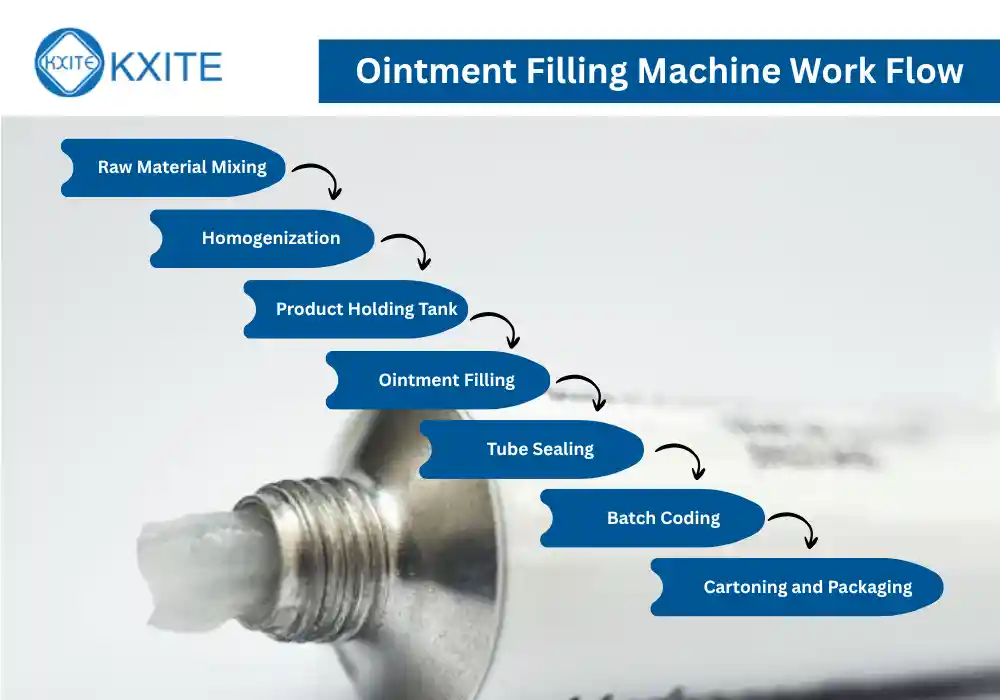
An ointment filling machine is usually integrated into a complete manufacturing process.A typical production flow includes:
Raw Material Mixing ➡ Homogenization ➡ Product Holding Tank ➡ Ointment Filling ➡ Tube Sealing or Container Closing ➡ Batch Coding ➡ Cartoning and Packaging
Before installation, you should confirm:
- Production space requirements
- Connection requirements
- Upstream and downstream equipment compatibility
- Operator workflow
A well-planned production line helps avoid bottlenecks and unnecessary modifications later.
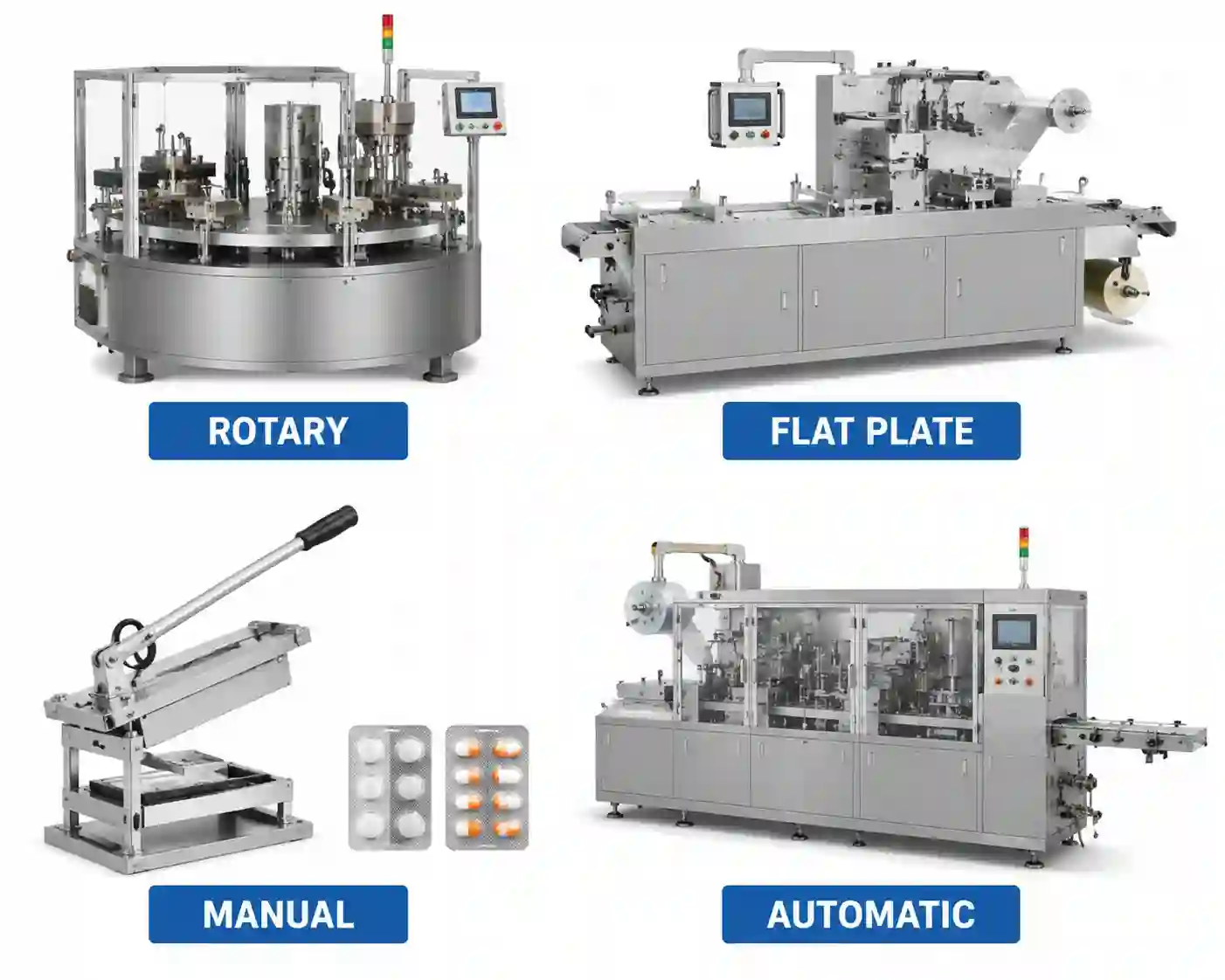
Automatic vs Semi-Automatic Ointment Filling Machine: Which One Fits You?
The right automation level depends on your production scale and operating requirements.
| Semi-Automatic | Automatic | |
|---|---|---|
| Suitable production | Small to medium batches | Medium to high volume production |
| Labor requirement | Higher | Lower |
| Initial investment | Lower | Higher |
| Flexibility | Higher for frequent changes | Better for continuous production |
A semi-automatic machine may be suitable if you:
- Produce limited quantities
- Handle multiple products
- Need more manual flexibility
An automatic ointment filling machine is usually preferred when you:
- Require stable continuous production
- Need consistent output
- Want to reduce manual operation
How to Evaluate an Ointment Filling Machine Supplier
The machine specification is only one part of the purchase decision.
You should also evaluate the supplier’s technical capability.
Important factors include:
Application Experience
A supplier with experience handling similar products can better understand filling challenges related to viscosity, sealing, and production stability.
Customization Ability
Your requirements may change over time. Ask whether the supplier can support:
- Different filling volumes
- Different container formats
- Production upgrades
After-Sales Support
- Installation support
- Operator training
- Spare parts availability
- Technical service response
For pharmaceutical equipment, long-term support can significantly affect production reliability.
Questions to Ask Your Supplier Before Ordering
Before placing an order, asking the right questions can help you avoid unsuitable equipment.
Consider asking:
Can you test the machine with my actual product?
Testing with your own formulation provides more reliable information than testing with a standard material.
What filling accuracy can the machine achieve under normal production conditions?
The answer should be based on actual operating conditions, not only laboratory tests.
Which parts require regular replacement?
Understanding spare parts requirements helps you prepare maintenance plans.
What training is included after installation?
Confirm whether operators will receive training for operation, cleaning, and basic troubleshooting.
What information is needed before machine production starts?
A professional supplier should request detailed product and packaging information before final machine configuration.
FAQ About Pharmaceutical Ointment Filling Machines
Can an ointment filling machine fill both pharmaceutical and cosmetic products?
Yes, many ointment filling machines can handle both applications when product characteristics and hygiene requirements are compatible. However, pharmaceutical production usually requires stricter cleaning, documentation, and process control.
How do you know if your product requires a customized filling solution?
Customization may be required when your product has unusual viscosity, special particles, unique packaging, or specific production requirements that cannot be handled by standard configurations.
Can you change products frequently on the same ointment filling machine?
It depends on the machine design and product differences. If you produce multiple formulations, discuss cleaning procedures, changeover time, and adjustment requirements before purchasing.
What causes inconsistent filling during ointment production?
Common causes include unsuitable filling parameters, product characteristics, unstable material supply, or incorrect machine configuration. Proper equipment selection and testing can reduce these issues.
Should you choose a higher-speed machine for future growth?
Not always. A higher-speed machine only provides value if your production volume, product demand, and supporting equipment can fully utilize its capacity.
Choose an Ointment Filling Solution Based on Your Production Needs
Selecting an ointment filling machine is not simply a comparison of speed, price, or specifications.
The right solution should match your product characteristics, packaging requirements, production capacity, and pharmaceutical manufacturing standards.
Before purchasing, prepare your product information, define your production goals, and evaluate suppliers based on technical capability and long-term support.
A suitable filling solution helps you achieve stable production, consistent product quality, and easier future expansion.