Key Points to Consider When Choosing an Essential Oil Filling Machine
For normal peope essential oil filling looks simple, but for manufacturers and OEM/ODM producers, the actual production process involves more than moving liquid into a bottle. The oil itself, small filling volumes, bottle size, bottle neck design, droppers, and caps can all affect how the equipment performs. these differences become more noticeable when several products or bottle formats need to run on the same production line. A filling solution should therefore match the complete packaging process, not just the liquid.
KXITE provides automatic and semi-automatic essential oil filling equipment for different production requirements. The following guide looks at the main challenges in essential oil filling and how they influence your equipment choice.
Essential Oil Characteristics Are the First Challenge During Filling
Essential oils and related aromatic liquids do not always have the same filling characteristics. Some products flow easily, while blended oils or different formulations may behave differently during filling.This will affect filling stability, dripping, and the amount of adjustment required during production. Small-volume filling also leaves less room for error. Even a small variation can become more noticeable when filling a small bottle.
The filling equipment should therefore be matched to your actual product rather than selected simply because it is described as an essential oil filling machine.
If you produce several products, cleaning and changing between formulations should also be considered as part of the daily production process.
Bottle and Cap Design Are the Next Challenge
Once the liquid can be filled properly, the bottle becomes the next consideration. Essential oils are commonly packaged in small bottles, but bottle diameter, height, shape, and neck design can vary significantly. These differences affect how bottles are positioned during filling and how they move through the packaging process.
The closure can add another layer of complexity. Depending on your packaging design, the bottle may require a dropper, inner component, or cap before the final capping operation.
A typical essential oil packaging process may include:
Bottle Feeding → Filling → Dropper or Inner Component → Cap → Capping
For projects with several bottle formats, it is useful to provide actual samples or technical drawings before the equipment configuration is confirmed.
Product Loss and Dripping Can Affect Both Cost and Appearance
Essential oils are often packed in small volumes, but repeated product loss can still affect production costs over time. Dripping after filling or product remaining around the bottle opening can also affect the finished package. This becomes particularly important when the bottle moves directly to dropper insertion or capping.
During equipment evaluation, look at the complete filling result:
- Is the filling volume consistent?
- Does product remain around the bottle opening?
- How does the system stop after filling?
- Can the product move smoothly to the next packaging stage?
Testing your actual liquid and bottle gives you a more practical answer than reviewing a standard machine demonstration.
From Filling to Capping: Choose Equipment Based on Your Production Process
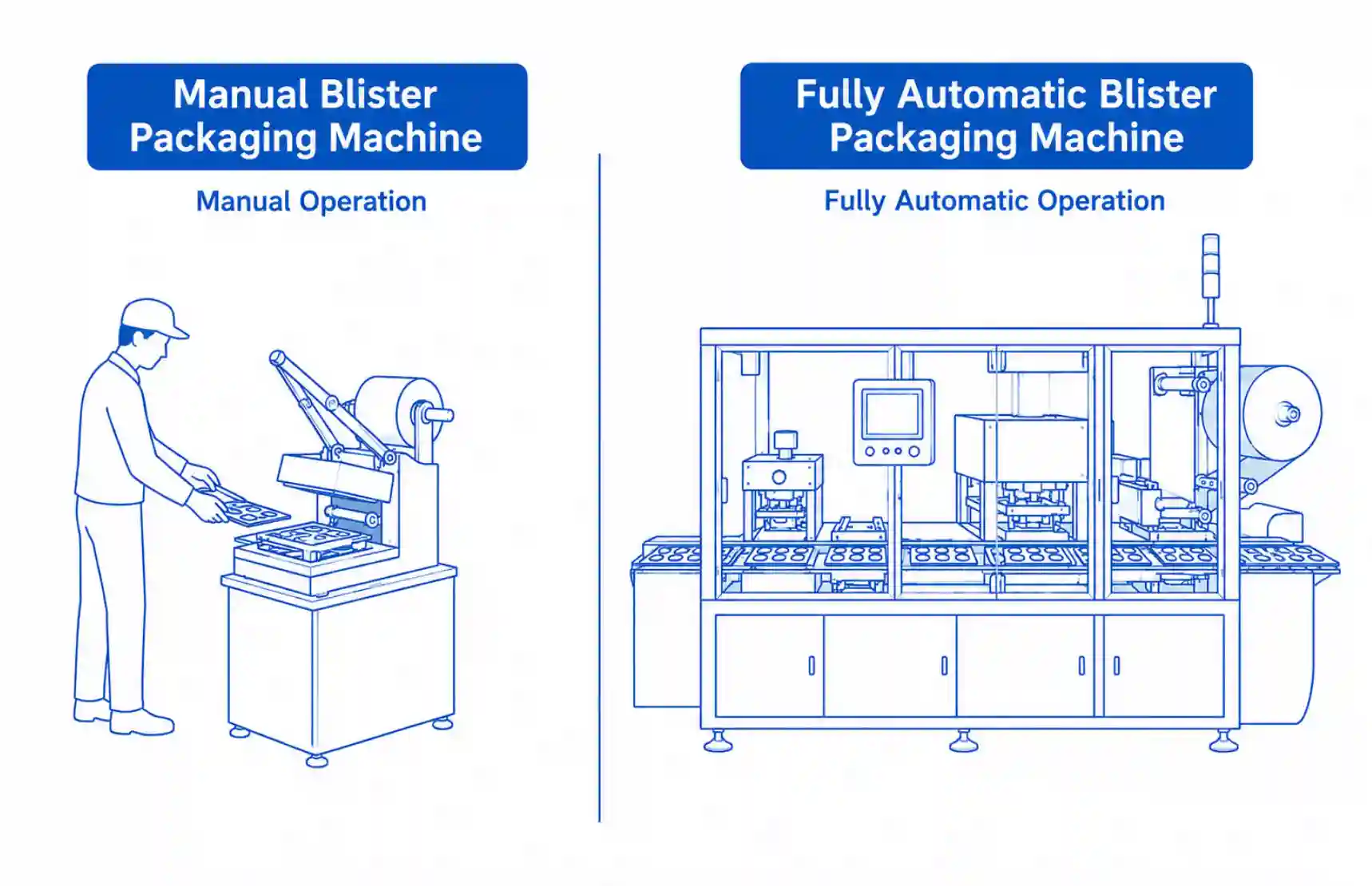
Once the product and packaging requirements are clear, you can determine how much of the process should be automated. Some manufacturers only need a filling operation. Others need filling and capping to work as one connected process. KXITE provides both semi-automatic and automatic essential oil filling equipment, allowing you to select the production method based on your actual order volume and workflow.
| Production Situation | Equipment Direction |
|---|---|
| Small batches or product testing | Semi-automatic equipment |
| Multiple products with frequent changes | Flexible equipment with manageable adjustment |
| Growing production volume | Increased automation to reduce repeated manual work |
| Stable and continuous production | Automatic filling and packaging process |
Semi-Automatic Essential Oil Filling Equipment
Semi-automatic equipment can be suitable for smaller production batches and manufacturers that change products or filling volumes regularly.
Operators remain involved in part of the production process, which can provide greater flexibility when production schedules change.
This can be useful for developing brands and OEM/ODM manufacturers handling smaller or varied orders.
Automatic Essential Oil Filling Equipment
Automatic equipment is more suitable when production volume is stable and repeated manual operations begin to limit efficiency.
Depending on your packaging process, automation may cover more than filling. The bottle, closure, and capping requirements should be considered together when planning the production line.
For larger or more stable production, connecting different operations can also reduce unnecessary handling between filling and packaging stages.
What Determines the Right Essential Oil Filling Machine?
After understanding the filling and packaging process, your equipment choice usually comes down to a few practical factors.
| Factor | What It Affects |
|---|---|
| Essential oil characteristics | Filling behavior and equipment configuration |
| Filling volume | Dosing requirements |
| Bottle size and shape | Bottle handling and positioning |
| Bottle neck design | Filling and closure compatibility |
| Dropper or inner component | Packaging process configuration |
| Cap type | Capping requirements |
| Number of SKUs | Changeover and equipment flexibility |
| Production volume | Semi-automatic or automatic production |
| Future products | Potential format and production changes |
For OEM/ODM manufacturers, the number of bottle formats and product changes can be particularly important. A machine designed around only one bottle may not provide the flexibility required for future orders.
The best approach is to evaluate the products and packaging you expect to run over time rather than selecting equipment based on one current SKU.
What to Check When Comparing Machine Quotations
Once you receive equipment proposals, compare the complete configuration instead of only comparing the final price.
You should confirm:
- Which filling operations are included
- Whether bottle handling is included
- Whether dropper or inner component handling is required
- What capping operation is included
- Which bottle formats are covered
- What parts are required for additional formats
- Which operations still require manual work
- What cleaning and adjustment are required between products
- What installation, training, and service are included
A lower-priced machine may require additional equipment or format parts before it can support your complete production process.
KXITE Essential Oil Filling Solutions
KXITE provides automatic and semi-automatic equipment for essential oil filling projects.
The equipment solution can be evaluated according to your:
- Essential oil characteristics
- Filling volume
- Bottle size and shape
- Bottle neck design
- Dropper and cap requirements
- Number of products and bottle formats
- Production volume
- Required automation level
By reviewing the product and packaging together, KXITE can help you determine whether a semi-automatic or automatic essential oil filling solution is more suitable for your production process.
FAQ
Can one essential oil filling machine handle different bottle sizes?
This depends on the machine configuration and how different the bottles are. Bottle diameter, height, shape, and neck design should be reviewed together because changes may require adjustments or additional parts.
Can the same equipment be used for different essential oil products?
This depends on the liquid characteristics and the cleaning and adjustment requirements between products. If you produce several formulations, discuss your product change frequency with the equipment supplier.
Does an essential oil filling machine also include capping?
Not always. Some equipment only performs filling, while other solutions can include additional packaging operations. Confirm the complete scope before purchasing.
Should you provide actual bottles and caps to the supplier?
Yes, whenever possible. Actual packaging samples provide a more practical basis for evaluating bottle handling, filling, and capping compatibility.
Can you start with semi-automatic equipment and move to automatic production later?
This depends on your future production plan and equipment requirements. If you expect production volume to increase, discuss your expansion plans during the initial equipment evaluation.
What information should you send when requesting a quotation?
Provide your essential oil information, filling volume, bottle dimensions, bottle neck details, cap or closure design, expected production volume, and the number of products or formats you plan to produce.
Find the Right Essential Oil Filling Solution for Your Production
The main challenge in essential oil filling is not simply filling the bottle. The liquid, bottle, bottle neck, dropper, cap, and production volume all need to work together.
Once your packaging process is clear, choosing between semi-automatic and automatic equipment becomes much easier.
Share your essential oil product, bottle, closure, filling volume, and production requirements with KXITE to evaluate a suitable filling solution for your project.