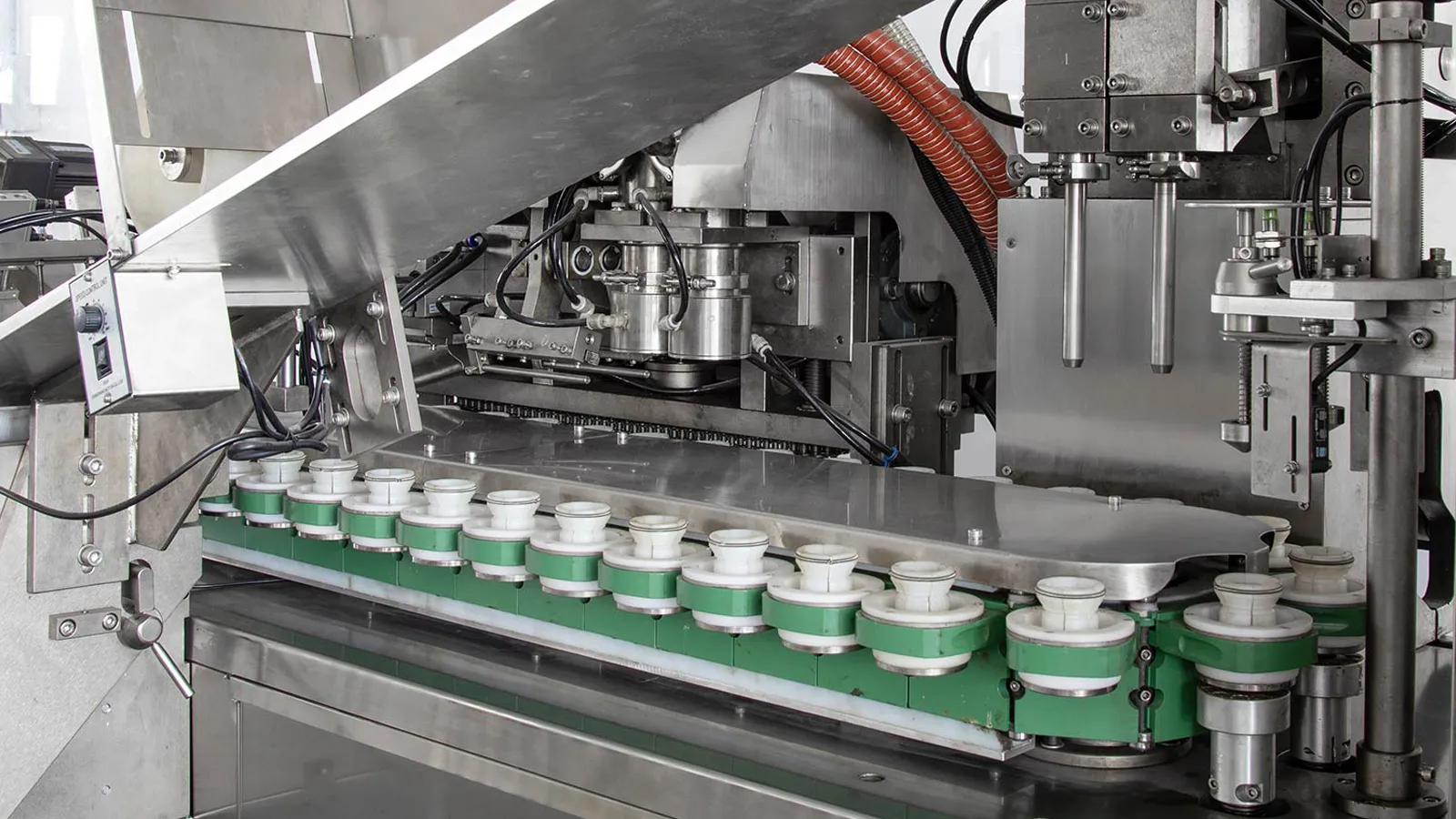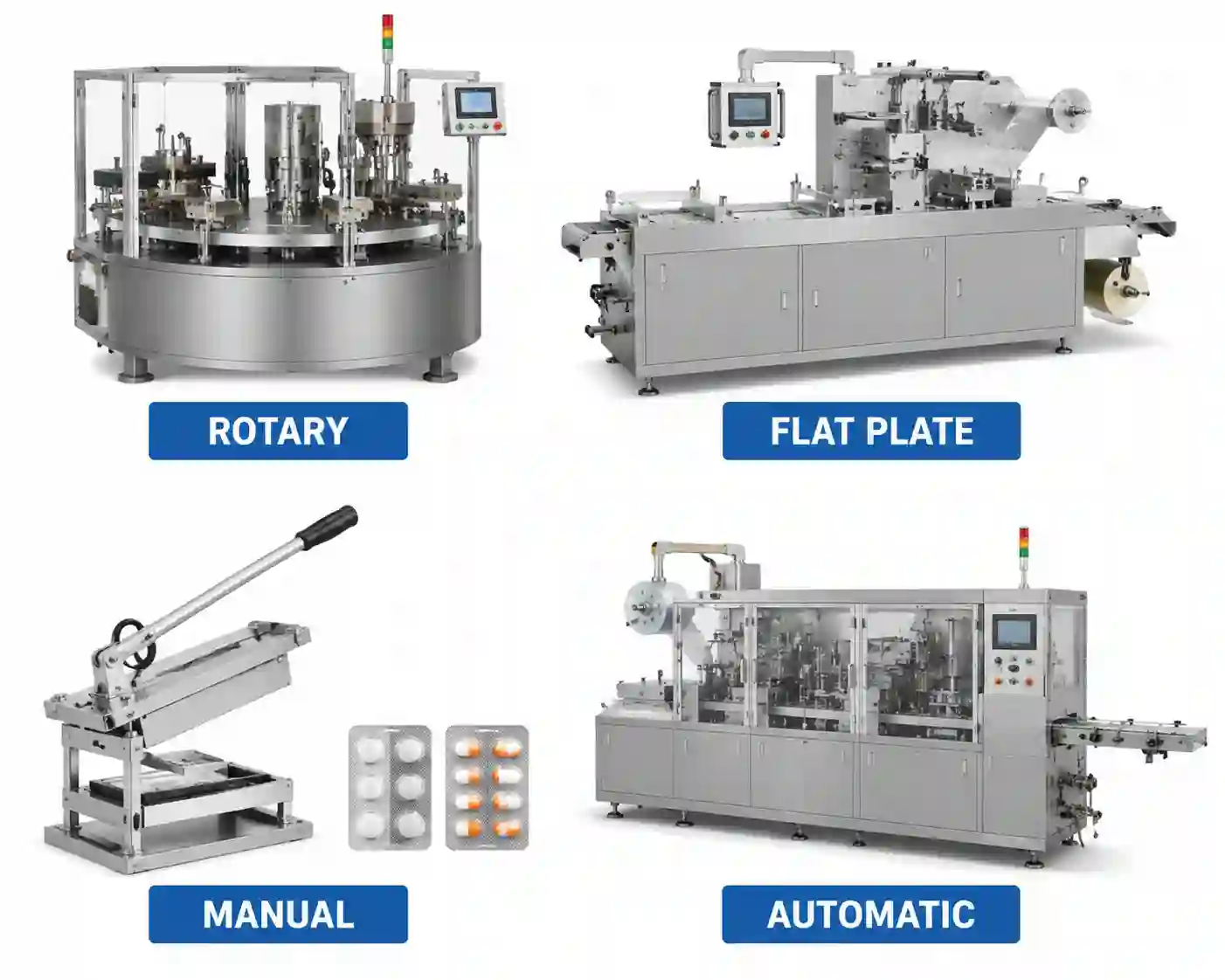
Small Batch Vial Filling Machine for Pharmaceutical Production
Small-batch pharmaceutical production comes with a different set of equipment requirements. You may run fewer vials per batch, change products more often, or work with several vial formats. In this situation, maximum output is not always the main concern.
Your filling equipment needs to fit the way you actually produce. Flexibility, operator involvement, format changes, and the possibility of future production changes all affect the equipment choice.
What Makes Small-Batch Vial Production Different?
Small-batch production is not defined only by the number of vials you fill. Your production schedule also matters.
If you produce different products in smaller runs, the machine may need to be adjusted or changed over more often. You may also use different vial formats or involve operators in more parts of the process.
That changes the equipment decision. A highly automated machine designed around stable, repeated production may not be necessary for every small-batch project. On the other hand, a growing production line may still need automation even when individual batches remain relatively small.
| Your Production Situation | What to Consider |
|---|---|
| Smaller production runs | Avoid paying for automation you may not fully use |
| Frequent product changes | Keep changeover and operation practical |
| Several vial formats | Confirm format compatibility and required adjustments |
| More operator involvement | Consider whether semi-automatic equipment is sufficient |
| Production expected to grow | Leave room for a higher level of automation |
The important point is to look at how you produce, not only how much you produce.
When Does Semi-Automatic Vial Filling Make Sense?
Semi-automatic vial filling can be a practical option when you need flexibility more than maximum throughput.
For smaller production runs, operators can remain involved in loading, positioning, or other parts of the operation while the equipment handles the filling task. This can make sense when production volumes are limited or when your products and vial formats change regularly.
Semi-automatic equipment can also suit pharmaceutical manufacturers and OEM producers that are developing new products or serving several smaller orders rather than running one fixed product throughout the day.
You should consider this direction when:
-
Your production runs are relatively small
-
Product changes are common
-
You use several vial formats
-
Operators need to remain involved
-
You do not need a highly automated continuous process
The goal is not to automate every step. It is to automate the parts of the process that create the most work or inconsistency for your production team.
When Can Automatic Equipment Still Make Sense?
A small batch does not automatically mean that semi-automatic equipment is the right choice.
You may produce smaller batches but run them frequently. Your production may also be stable, with repeated orders and limited changes between production runs. In these situations, reducing manual handling can still be important.
Automatic vial filling equipment can make sense when you need a more consistent production sequence or want to reduce operator involvement.
For example, you may want to consider automatic equipment when:
-
Production runs are repeated regularly
-
The same vial formats are used for longer periods
-
Manual handling is becoming a production bottleneck
-
You need a more connected filling and packaging process
-
You expect production requirements to increase
So when you compare a semi-automatic vial filling machine with an automatic system, do not look at batch size alone. Production frequency, product changes, operator involvement, and your expected growth all matter.
What Should You Confirm for a Small-Batch Vial Filling Project?
Once you know how your production operates, you can narrow down the equipment requirements.
For a small-batch project, focus on the factors that directly affect flexibility and daily operation.
How often will you change products?
Frequent changes can make machine setup and changeover more important than maximum production speed. Tell your equipment supplier how often you expect to change products or production formats.
How many vial formats will you use?
Different vial dimensions can affect machine handling and format adjustment. If you have several vial sizes, provide the actual vial information during the equipment discussion.
How often will you run each batch?
Two projects can have the same batch size but very different production requirements. One may run a batch once a month, while another may repeat the same batch several times a week.
Your actual production schedule gives a better picture of equipment utilization.
How much operator involvement do you want?
If your operators will handle part of the process, semi-automatic equipment may provide the flexibility you need. If you want to reduce manual handling, a higher level of automation may be worth considering.
Do you need filling only or a wider packaging process?
Some projects focus on vial filling. Others need filling together with downstream closure operations.
Define the actual scope before you request an equipment configuration. This prevents you from comparing machines that do not cover the same production requirements.
Could your production change later?
Your current production volume may not stay the same. If you expect new products, higher order volumes, or additional vial formats, discuss these plans before finalizing the equipment.
Which KXITE Equipment Fits Your Small-Batch Production?
KXITE provides filling equipment for different production requirements, including semi-automatic and automatic solutions.
For a small-batch project, the equipment direction should follow your production pattern.
Semi-Automatic Vial Filling
A semi-automatic setup can fit production where flexibility and operator involvement are important.
It can be considered when you work with smaller runs, frequent changes, or a production schedule that does not justify a fully automated process.
Automatic Vial Filling
An automatic setup can fit production that has become more stable and repetitive.
If you run repeated orders and want less manual handling, automatic equipment can provide a more connected production approach.
When you contact KXITE, do not send only the required output. Share your vial format, filling requirements, product changes, production frequency, and expected future demand. These details help define whether a semi-automatic or automatic solution makes more sense for your project.
FAQ
Is a semi-automatic vial filling machine suitable for small-batch pharmaceutical production?
It can be suitable when you have smaller production runs, frequent changes, or a greater need for operator involvement. The actual equipment configuration should match your vial and production requirements.
Can small-batch production use an automatic vial filling machine?
Yes. Batch size is only one part of the automation decision. Repeated production, stable formats, and the need to reduce manual handling can also justify automatic equipment.
Can one machine handle different vial formats?
It depends on the machine configuration and the vial dimensions. If you use multiple formats, provide the actual vial information so the required adjustments can be confirmed.
What information should I provide when requesting a small-batch vial filling solution?
Provide your product information, filling requirements, vial formats, production frequency, expected batch size, number of product changes, and required automation level. If you also need downstream packaging operations, include those requirements as well.
Discuss Your Small-Batch Vial Filling Requirements With KXITE
Small-batch production does not automatically call for a semi-automatic machine, just as a smaller batch does not rule out automation.
Start with your actual production schedule, product changes, vial formats, and operator requirements. Then define the equipment level around the way you plan to produce.
Share your small-batch vial filling requirements with KXITE to discuss the equipment configuration for your pharmaceutical production.