Blister Packaging Process for Pharmaceutical Production
What Is Blister Packaging in Pharmaceutical Production
Blister packaging is a standard packaging format used in pharmaceutical manufacturing to protect tablets and capsules through individual cavity sealing.
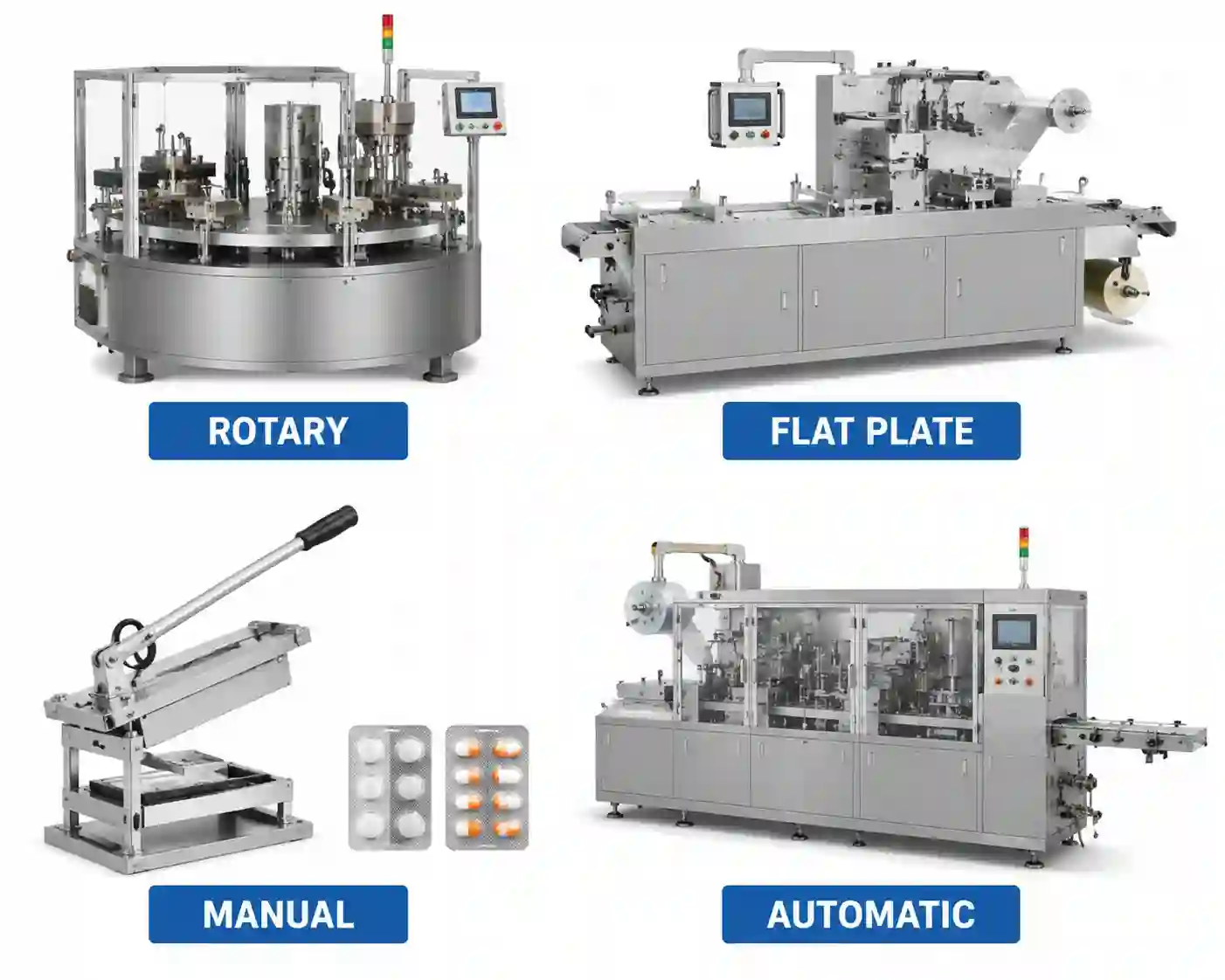
A typical pharmaceutical blister packaging machine forms cavities from plastic or aluminum-based film, places products into each cavity, and seals them with a lidding material such as aluminum foil. This structure is widely used in:
- pharmaceutical tablet packaging
- capsule packaging lines
- nutraceutical solid dosage products
The main purpose is not only packaging efficiency, but also product protection against moisture, contamination, and mechanical damage during storage and transportation.
Film Forming — Where Package Geometry Is Defined
After forming, tablets or capsules are transferred into cavities through a feeding system.
Process overview
- Products are guided through vibration or channel-based feeders
- Alignment systems control orientation and spacing
- Excess or misaligned products are removed before sealing
Engineering observation
In high-speed pharmaceutical blister packaging lines, feeding stability is often the first limitation observed during scale-up. Common influencing factors include:
- Product shape variability
- Surface friction and coating behavior
- Static electricity and dust accumulation
- Upstream feeding design limitations
From an engineering perspective, feeding instability is rarely a standalone machine issue. It usually reflects system-level incompatibility between product characteristics and line speed requirements.
Sealing — Critical Quality Control Point
Sealing is the most sensitive stage in the entire blister packaging workflow.
How sealing works
- Lidding foil is aligned over filled cavities
- Heat and pressure are applied under controlled conditions
- Material bonding forms the final protective seal
Why sealing failures occur in production
In real pharmaceutical blister packaging machines, sealing defects are typically associated with a combination of factors:
- Non-uniform heat distribution across sealing plates
- Contamination such as dust or product particles
- Incompatibility between base film and lidding material
- Inconsistent pressure application during continuous operation
Sealing failure is rarely caused by a single parameter deviation. It is usually the result of process interaction under long-duration production conditions.
Cutting and Discharge — Secondary but Sensitive Stage
After sealing, blister sheets are cut into final formats and transferred to downstream systems.
Process functions
- Trimming of blister cards
- Waste matrix removal
- Discharge to conveyor or inspection system
Integration with Cartoning Systems
- Blister packaging machine
- Cartoning machine
- Case packing system
- Inspection and serialization units
Materials in the Blister Packaging Process
Material selection directly influences forming behavior, sealing performance, and long-term package stability.
Common materials used in pharmaceutical blister packaging include:
- PVC and PVC-based laminates (general pharmaceutical use)
- PVDC-coated films for improved barrier performance
- Alu-PVC structures for enhanced protection
- Alu-Alu cold-forming structures for high-barrier applications
Real Production Insight: Why Issues Appear After Stable Start
In many real installations, blister packaging lines perform well during initial commissioning. However, after continuous operation, several changes may appear:
- Gradual thermal drift in sealing system
- Dust accumulation affecting feeding and sealing
- Material behavior variation under long cycles
- Minor mechanical wear influencing alignment
These factors can lead to:
- Inconsistent sealing quality
- Occasional cavity deformation
- Intermittent feeding errors
Experience: This pattern is commonly observed during production ramp-up in pharmaceutical manufacturing environments.
Common Problems in Blister Packaging MachinesAcross different blister packaging machines, several recurring issues are observed in production environments:
- Sealing failure
- Blister leakage
- Cavity deformation
- Feeding instability
- Foil tracking misalignment
Each of these issues is typically linked to a specific stage in the blister packaging process, and should be diagnosed based on process context rather than isolated machine components.
For detailed root cause analysis, refer to:
Common Problems in Blister Packaging Machines
How to Choose a Blister Packaging Machine
Machine selection for blister packaging should not rely solely on equipment specifications. In real pharmaceutical production, selection should consider:
- Product geometry and material behavior
- Required barrier protection level
- Expected production speed and stability balance
- Compatibility with blister packaging materials
- Integration with downstream packaging systems
From an engineering standpoint, selecting a blister packaging machine is fundamentally a system matching problem rather than a standalone equipment decision.
Applications of Blister Packaging
Blister packaging is widely applied in:
- Pharmaceutical tablet and capsule production
- Nutraceutical supplement packaging
- Healthcare product unit-dose packaging
Its structure provides consistent unit protection and traceability, making it a standard solution in regulated pharmaceutical packaging environments.
FAQ
Q1: What are the main steps in the blister packaging process?
A: Forming, feeding, sealing, and cutting, followed by integration into downstream packaging systems.
Q2: Why is sealing considered the most critical step?
A: Because sealing directly determines barrier performance and long-term product protection in pharmaceutical packaging.
Q3: What affects blister packaging quality most in production?
A: Material behavior, feeding stability, and sealing process consistency are the most common influencing factors observed in industrial production.
Related contents may you interesting: