Blister Packaging Materials Explained (PVC / PVDC / Alu-PVC / Alu-Alu)
Introduction: Choosing the Right Material Isn’t Just About Cost
In pharmaceutical packaging, the choice of blister material directly affects product protection, line efficiency, and regulatory compliance. Engineers often encounter questions like: “Which material prevents moisture ingress best?” or “Will this material hold up at high-speed lines?” Understanding the properties and limitations of PVC, PVDC, Alu-PVC, and Alu-Alu is critical for both machine selection and process optimization.
1. PVC (Polyvinyl Chloride) – The Industry Workhorse
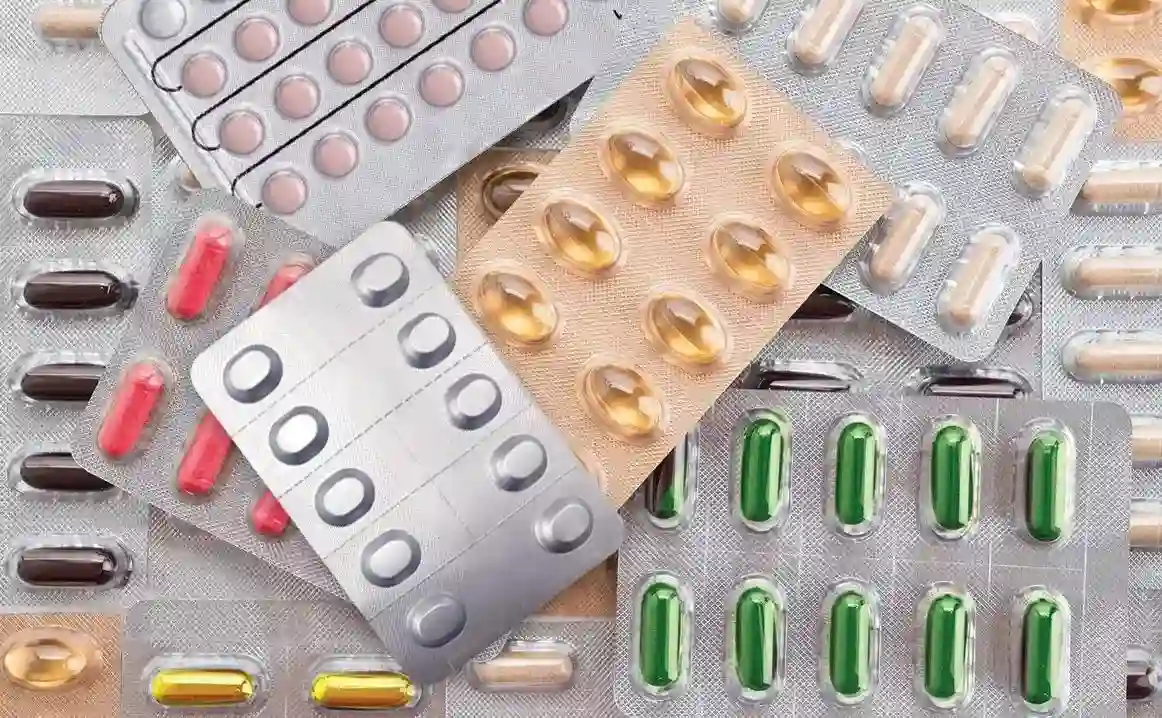
- Widely used for standard tablets/pills and capsules.
- Thermoformable, cost-effective, and clear for product visibility.
Cons: Limited moisture barrier, may not be suitable for hygroscopic products.
Practical real experience: Engineers often pair PVC with thin foil lidding to enhance protection without sacrificing line speed.
2. PVDC-Coated PVC – Enhanced Barrier for Sensitive Products
- PVDC coating improves barrier properties against moisture and oxygen.
- Maintains thermoformability while offering better shelf life.
Cons: Slightly higher material cost and requires careful sealing adjustments.
Tips from Engineer: During high-speed runs, ensure sealing temperature and dwell time are adjusted for the PVDC layer to prevent weak seals.
3. Alu-PVC – Hybrid Solution for Moderate Protection
- Aluminum foil base laminated with PVC provides enhanced barrier while allowing visual inspection.
- Commonly used in OTC drugs, nutraceuticals, and multi-dose packs.
Cons: Foil handling requires precise feeding to avoid wrinkles or misalignment.
Production Line insight: Engineers often integrate in-line foil tracking sensors to reduce downtime due to foil misfeeds.
4. Alu-Alu – Maximum Protection for Highly Sensitive Products
- Cold-formed aluminum foil on both sides; ideal for moisture- or light-sensitive drugs.
- Used for blister packs where stability and shelf life are critical.
Cons: Cold forming is slower, requires higher tooling precision, and increased line maintenance.
Engineering note: Alu-Alu lines often need precise temperature control and robust transfer systems to prevent tearing.
5. PVC vs PVDC vs Alu-PVC vs Alu-Alu – Comparative Summary
| Material | Barrier | Formability | High-Speed Suitability | Best Use |
|---|---|---|---|---|
| PVC | Moderate | Excellent | High | Standard tablets & capsules |
| PVDC-Coated PVC | High | Good | High | Humidity-sensitive products |
| Alu-PVC | High | Good | High | OTC, nutraceutical, moderate protection |
| Alu-Alu | Maximum | Moderate | Medium | Highly sensitive or hygroscopic drugs |
Real Production Insight
In practice, material choice drives not only product protection but also downstream line performance:
- PVC and PVDC lines run smoother at high speeds but may need careful temperature control.
- Alu-PVC and Alu-Alu require robust foil handling and precise tooling.
- Static, dust, or misfeeds during foil handling are common root causes of downtime.
FAQ
Q1: Which material is best for high-speed pharmaceutical lines?
PVC and PVDC are most compatible, but Alu-PVC can also run efficiently if foil handling is optimized.
Q2: When should I choose Alu-Alu?
Alu-Alu is used for moisture- and light-sensitive drugs where maximum protection is critical, despite slower line speeds.
Q3: How does material choice affect sealing?
Sealing parameters must match the material; PVDC or foil layers may require higher temperature, pressure, or dwell time adjustments.
Choose the Right Blister Material for Your Production
Selecting the right blister material for your business is critical for product protection, line efficiency, and regulatory compliance. Our engineers can help you match material choice with your packaging line workflow for optimal results.
Internal Links for Further Reading
- Types of Blister Packaging Machines
- Blister Packaging Line Workflow & Cartoning Integration
- Why Blister Sealing Fails in Production