Why Do Soft Tubes Leak? 5 Common Hot Air Sealing Issues and Fixes
In cosmetic and pharmaceutical production, a leaking tube is a disaster. It ruins the secondary packaging (cartons), contaminates the conveyor belt, and destroys consumer trust. If you are running a high-speed line, a 1% leak rate can mean thousands of rejected units per shift.
Most modern plastic and laminated tubes use Internal Hot Air Sealing technology. While efficient, it requires a delicate balance of heat, air volume, and cooling pressure. When one variable drifts, the seal fails.
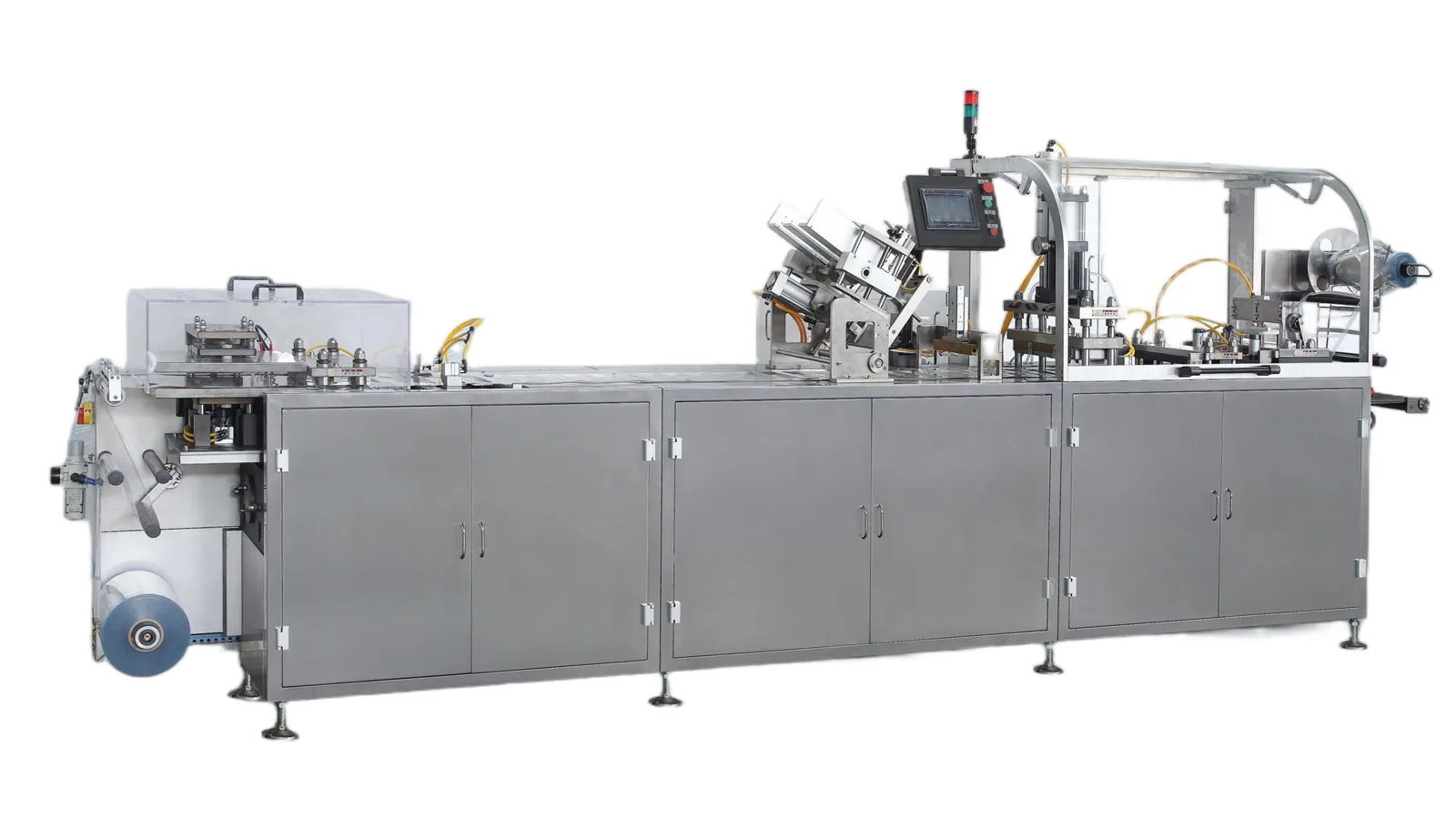
At Wenzhou Kxite Machinery, our NF-120 machines utilize premium Leister Hot Air Generators (Switzerland) to ensure stability. However, even the best machines need proper settings. Here is our guide to tube sealing machine troubleshooting.
1. "False Seal" (Weak Bond): Temperature Too Low
A "false seal" looks closed but pops open under slight pressure. This usually happens because the inner PE layer didn't reach its melting point.
The Fix:
- Check the Leister Heater: Verify the actual temperature output. If your HMI is set to 450°C but the air gun output is lower, the heating element might be aging.
- Adjust Air Volume: Sometimes the temperature is fine, but the air volume is too low to transfer the heat to the tube wall effectively. Increase the airflow slightly on the flowmeter.
- Speed Factor: If you recently increased machine speed (e.g., from 60 to 80 ppm), you must increase the temperature proportionally to compensate for the shorter heating time.
2. Scorched or Bubbled Tails: Temperature Too High
If the tube tail looks melted, discolored, or has small bubbles in the seal area, the material is overheating.
The Fix:
- Lower the Temp: Reduce the tube filler sealing temperature in 5°C increments.
- Check Cooling Water: The sealing jaws (which press the tube shut) must be chilled (typically 8-15°C). If the chiller is off or the water flow is blocked, the jaws won't "freeze" the seal instantly, leading to deformation.
- Distance Check: Ensure the hot air nozzle isn't touching the tube wall directly.
3. Product Contamination in the Seal Area
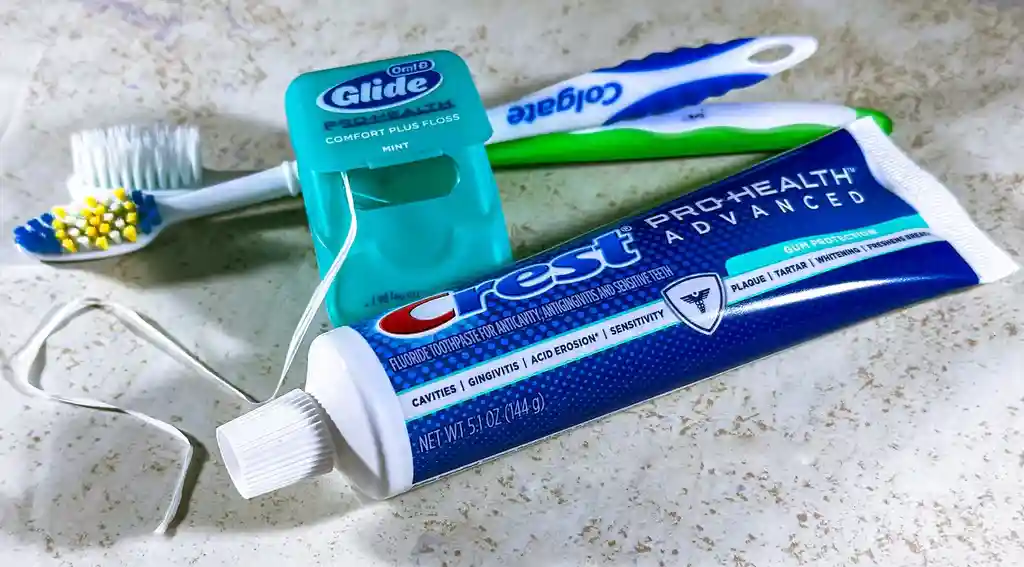
This is the #1 cause of leaks for viscous products (toothpaste, ointments). If even a tiny drop of product gets onto the inner wall where the seal happens, the plastic cannot fuse together.
The Fix:
- Adjust "Suck-Back" or "Blow-Cut": On the Kxite NF-120, check the filling nozzle settings. Increase the suck-back delay or blow-cut pressure to ensure the product string is broken cleanly inside the tube.
- Nozzle Alignment: Ensure the filling nozzle is centered. If it hits the side of the tube during lift-up, it leaves a residue trail that ruins the seal.
4. Uneven Seal Thickness (Wedging)
If one side of the tube tail is thick and the other is thin, the pressure is uneven. This often leads to "channel leaks" on the thinner side.
The Fix:
- Jaw Alignment: The mechanical sealing jaws must be perfectly parallel. Use a feeler gauge to check the gap between the jaws when closed.
- Spring Tension: Check the spring tension on the clamping station. If one side is looser, tighten the adjustment screw to balance the force.
5. Uneven Tail Height (Crooked Seal)
The seal is strong, but it's crooked or the code printing is cut off. This is a positioning issue.
The Fix:
- Cup Holder Inspection: Check the tube cup holders (pucks). If they are worn out or loose, the tube sits at a tilt.
- Sensor Cleaning: The color mark sensor (registration sensor) might be dirty, causing it to trigger late or early. Wipe the lens with alcohol.
Tube Sealing Defect Cheat Sheet
Print this table and keep it near your machine for quick Leister hot air sealing problems diagnosis.
| Defect Phenomenon | Possible Root Cause | Recommended Action |
|---|---|---|
| Seal Opens (Weak/Cold) | Temp too low; Air volume too low; Heater element failed. | Increase Temp (+5°C); Check Leister heater; Increase airflow. |
| Scorched / Melted / Bubbles | Temp too high; Cooling water off; Speed too slow. | Decrease Temp; Check Chiller flow; Check jaw cooling channels. |
| Leaking with Product Residue | Filling nozzle "stringing"; Nozzle hitting wall. | Adjust Blow-off/Suck-back; Center the nozzle; Clean nozzle tip. |
| Uneven Seal Thickness | Misaligned Jaws; Uneven Spring Pressure. | Re-align sealing jaws; Balance spring tension screws. |
| "Ears" or Sharp Edges | Trimming blade dull; Cooling time insufficient. | Sharpen/Replace trimming blade; Ensure jaws are cold (10°C). |
Conclusion
Troubleshooting fixing leaking cosmetic tubes is often a process of elimination. Start with the temperature, then check the filling accuracy, and finally inspect the mechanical alignment.
At Kxite Machinery, our NF-120 Tube Filling Machines are designed with tool-free adjustment points and premium Leister heating systems to minimize these common issues. Stable equipment means stable production.
Need a machine that holds a seal?
Contact our technical team to learn more about our anti-leak filling nozzles and precision sealing technology.