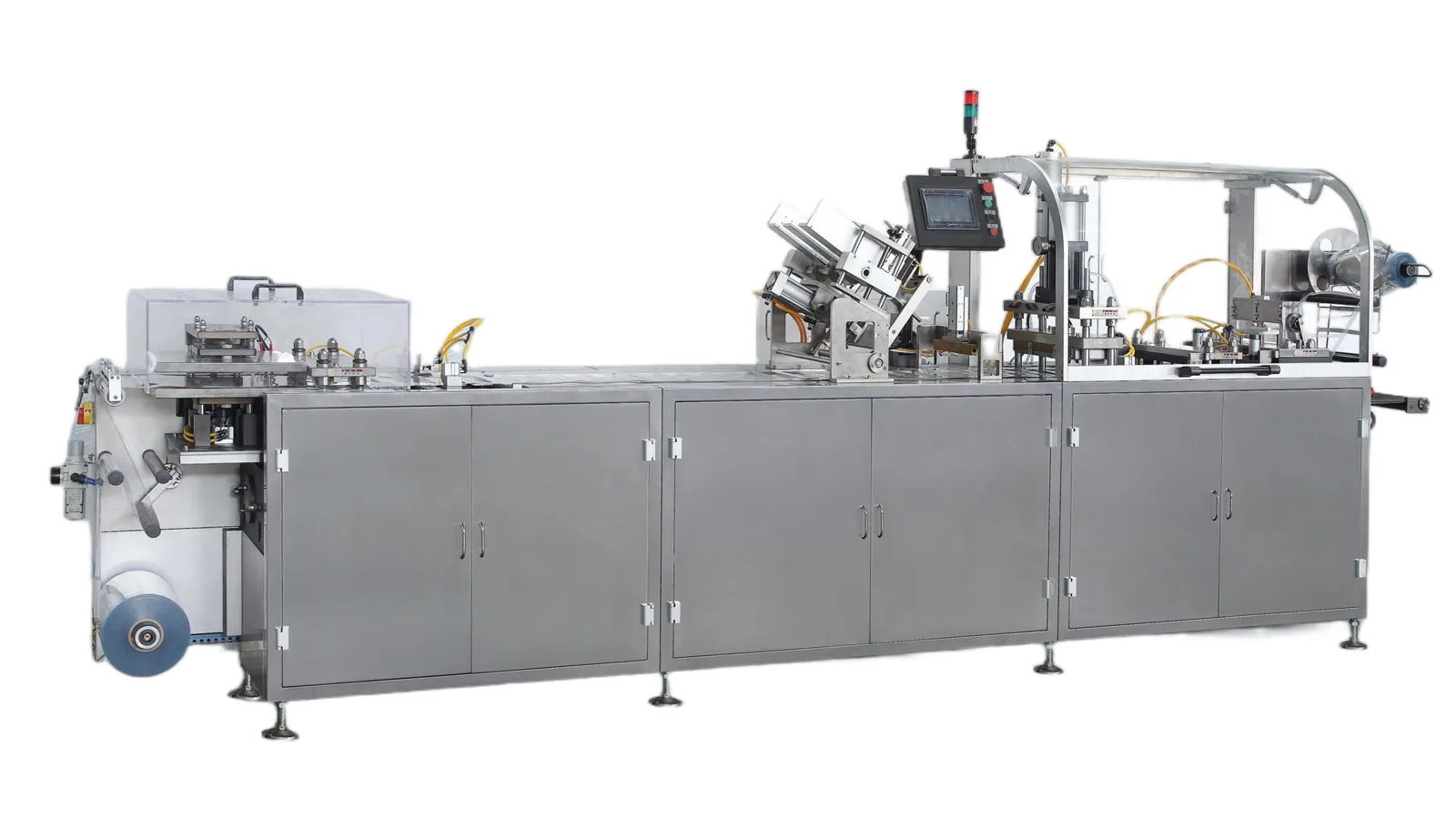
Bottle jams don’t look serious at first — until they start happening every hour.
And once they do, your whole line slows down. Operators get involved, production stops, and efficiency drops fast.
From what I’ve seen, jams are rarely caused by one single issue. It’s usually a combination of small design and setup problems.
1. Where Jamming Actually Starts
1.1 Bottle Sorting Instability
If bottles are not aligned properly at the beginning, everything downstream suffers.
- Tilted bottles
- Inconsistent spacing
- Sudden blockages
1.2 Speed Mismatch Between Machines
Each machine may run fine alone. But when connected:
- Counting speed ≠ capping speed
- Labeling speed ≠ conveying speed
That mismatch causes accumulation → then jamming.
1.3 Conveyor Design Issues
This is often overlooked. Poor conveyor design leads to:
- Uneven movement
- Bottle tipping
- Pressure buildup
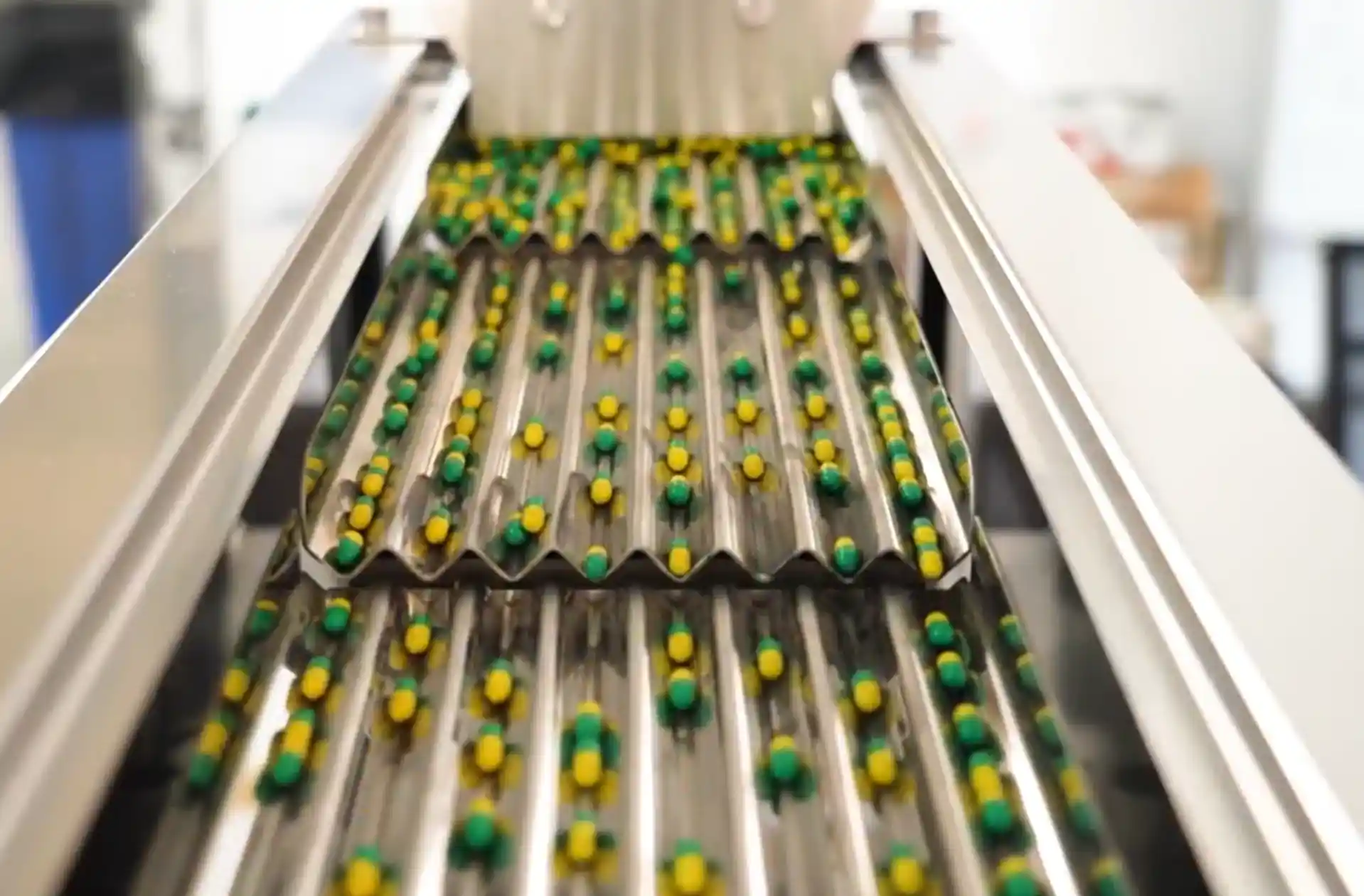
2. Practical Ways to Reduce Jamming
- Keep the Line Balanced, Not Just Fast:Speed is not everything. A slightly slower but stable line will always outperform a fast but unstable one.
-
Improve Bottle Guidance:Side guides and spacing control matter more than people think. Small adjustments here can eliminate most jams.
-
Use Integrated Control Systems:when machines communicate through PLC,speed should adjust automatically and flow remains stable, This reduces human intervention.
3. Why Full Lines Are More Stable
Standalone machines don’t “talk” to each other. Integrated lines do. That’s the difference between:
- Constant manual adjustment
- Smooth continuous production
Conclusion
If your line keeps jamming, don’t just fix the symptom. Look at the flow of the entire system — from bottle feeding to final labeling. That’s where the real solution is.
FAQ
Q1: Is jamming caused by bottle quality?
Sometimes, but more often it’s line imbalance.
Q2: Can speed adjustment solve jams?
Partially. Root cause still needs fixing.