Introduction
If you’ve ever opened a carton and found a few tubes leaking, you already know how frustrating it is. Not only does it waste product, but it also damages your brand — especially in cosmetics and pharmaceuticals where packaging quality matters as much as the product itself. The thing is, sealing problems are rarely caused by just one factor. In most cases, it’s a combination of material, temperature, and machine setup. Let’s break down what actually causes leakage — and what you can do about it.
The Most Common Causes of Tube Leakage
1.1 Incorrect Sealing Temperature (Most Frequent Issue)
For plastic and laminated tubes, sealing depends heavily on heat.
- Too low → weak sealing
- Too high → material deformation
From my experience, many operators increase temperature blindly, which often makes things worse.The key is stable and controlled heating, not just higher heat.
1.2 Tube Material Inconsistency
Not all tubes are made the same. they are different in thickness, inner layer composition and surface coating, it will affect sealing strength directly. This is why a machine that works perfectly for one supplier may fail with another.
1.3 Filling Volume Too Close to the Sealing Area
This one is often overlooked. If product gets too close to the sealing zone: it contaminates the sealing surface and prevents proper bonding will lead to leak after cooling.
1.4 Improper Cooling After Sealing
Sealing doesn’t end with heating.Without proper cooling, the seal remains unstable and deformation can occur.
1.5 Misalignment of Tubes
If tubes are not positioned correctly: sealing pressure becomes uneven and one side may not seal properly too.

Practical Solutions That Actually Work
- Stabilize, Don’t Maximize Temperature: Instead of increasing heat,calibrate temperature precisely and keep it consistent across cycles.
- Control Filling Position: Maintain a safe distance between product level and sealing area. This alone can eliminate a large percentage of leakage issues.
- Improve Tube Positioning: Use proper tube holders and alignment systems.Even small misalignment can affect sealing quality.
- Match Machine Settings to Tube Type: Different tubes require different parameters. A good machine should allow easy adjustment, not fixed settings.
- Keep the Sealing Area Clean: Residue buildup is a silent problem.Regular cleaning reduces long-term defects.
Why Machine Design Matters More Than You Think
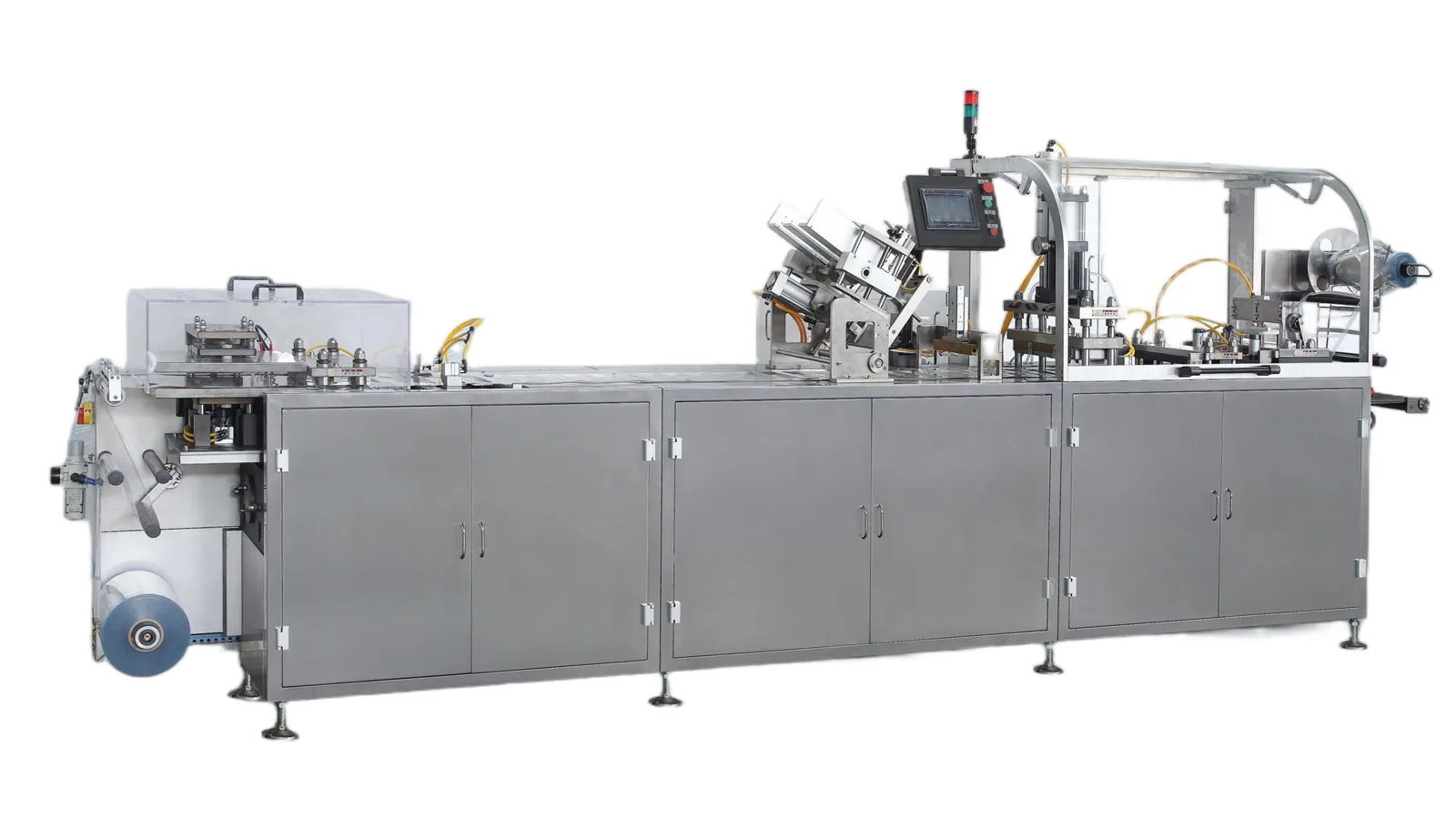
In many cases, leakage is not just an operator issue.It comes down to machine design include heating system stability, sealing pressure consistency and alignment accuracy, That’s why more manufacturers are moving toward fully automatic tube filling and sealing systems, where these parameters are controlled more precisely.
When You Should Consider Upgrading Your Equipment
From what I’ve seen, it’s usually time to upgrade when you have below advantages:
- Leakage becomes frequent
- Manual adjustments increase
- Production volume grows
At that point, fixing individual issues won’t solve the root problem.
Conclusion
Tube leakage is not random — it’s predictable once you understand the process.
Most problems come from temperature control, material differences, and improper setup.
Fixing these doesn’t always require a new machine, but if the system itself is unstable, upgrading to a more reliable solution becomes the smarter choice.
FAQ
Q1: Why does leakage appear after a few days, not immediately?
Because the seal may look fine initially but fails after cooling and pressure changes during storage.
Q2: Can one machine handle both plastic and aluminum tubes?
Usually yes, but sealing methods differ and require proper adjustment.
Q3: Does higher speed increase leakage risk?
Only if sealing time and pressure are not properly adjusted.