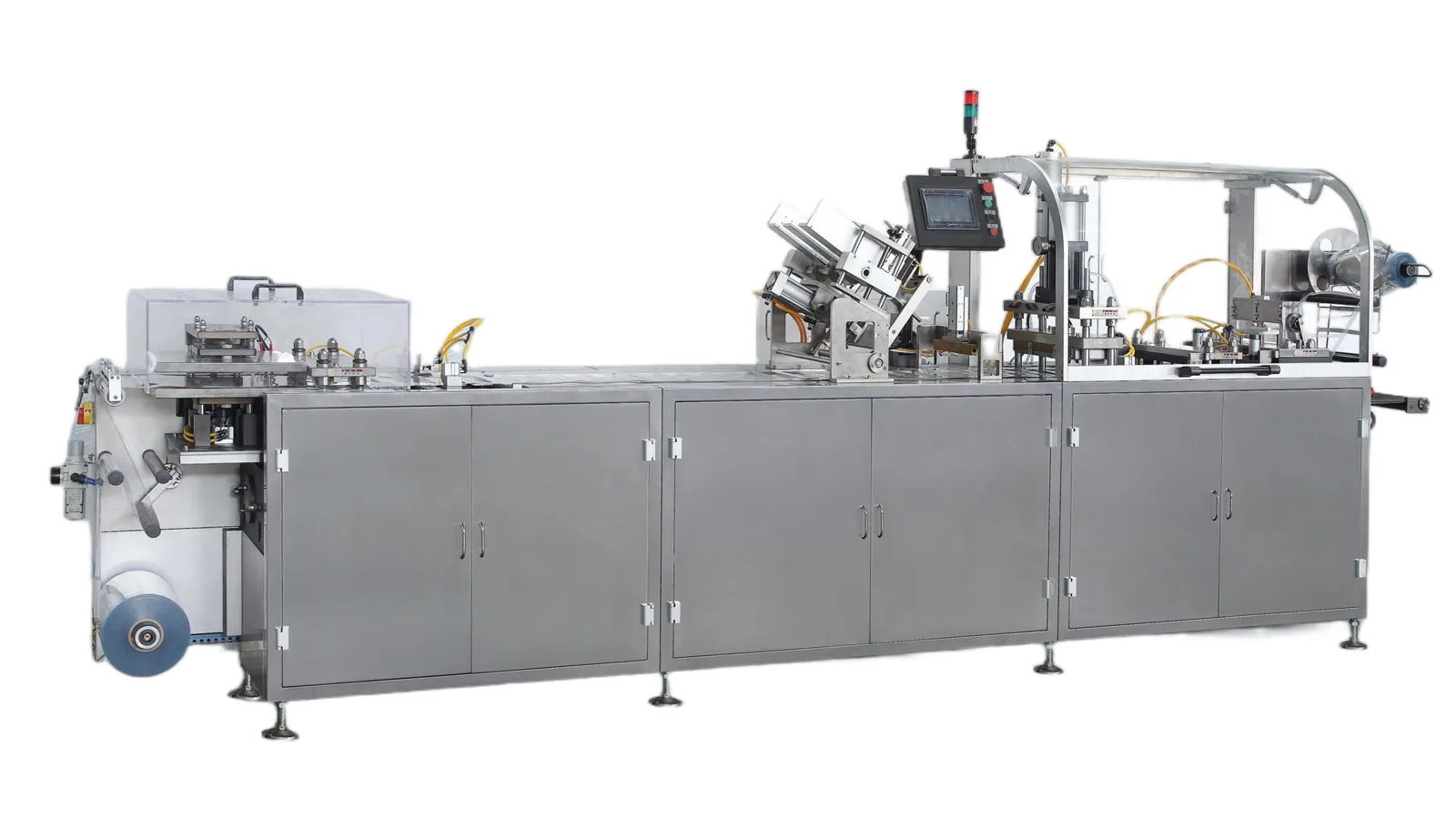
Electronic Channel Counter vs. Slat Counter: Which is Best for Your Pharmacy?
For decades, the pharmaceutical packaging industry relied on one king: the Slat Counter. It was fast, mechanical, and reliable. But as the market shifts towards diverse SKUs, shorter production runs, and complex tablet shapes, the throne is being challenged by the modern Electronic Channel Counter.
For factory managers planning a new line, the choice isn't just about speed—it is about agility. Are you producing one billion aspirin tablets a year, or twenty different nutraceuticals a week?
At Wenzhou Kxite Machinery, we manufacture advanced Tablet Counter Machines designed for this modern versatility. Here is our comprehensive pharmaceutical counting machine comparison to help you decide.
1. The Slat Counter: The Specialist for Mass Production
Slat counters use a series of rotating "slats" (plates) with cavities machined to the exact size of the tablet. As the slats rotate, tablets fall into the cavities and are carried to the bottles.
The Pros:
- Sheer Speed: For a single product, it is incredibly fast.
- Simplicity: It is a mechanical process with less reliance on sensors.
The Cons (The Deal Breaker):
- The "Changeover Nightmare": Changing from a round tablet to an oval capsule requires removing and washing dozens of heavy slats. This can take 2-4 hours.
- High Tooling Cost: You must buy a specific set of slats for every tablet shape. If you have 20 products, you need 20 sets of expensive molds.
- Hygiene Issues: Dust accumulation in the slat cavities is difficult to clean, leading to cross-contamination risks.
2. The Electronic Channel Counter: The Master of Flexibility
This technology uses vibratory trays to align tablets into multiple channels. As they fall through a detection zone, high-speed infrared sensors count them into the bottle.
The Pros:
- One-Touch Changeover: Kxite’s electronic counters feature "Recipe Memory." Switching products is as simple as selecting a preset on the touchscreen and making minor rail adjustments. No tools required.
- Zero Tooling Cost: The same machine can count #00 capsules, 5mm tablets, and large softgels without buying new parts.
- Multi-Channel Tablet Counter Advantages: By adding more channels (8, 12, 16, or 24), electronic counters can now match or exceed the speed of slat counters while maintaining 99.9% accuracy.
3. Head-to-Head Comparison Table
In the battle of Electronic tablet counter vs slat counter, here is how the specs stack up:
| Feature | Slat Counter (Mechanical) | Electronic Channel Counter |
|---|---|---|
| Working Principle | Fixed Cavity Molds (Mechanical) | Vibration + Infrared Sensor |
| Changeover Time | Slow (2 - 4 Hours) | Fast (15 - 30 Minutes) |
| Tooling Cost | High (New slats for every shape) | Zero (Universal channels) |
| Cleaning Difficulty | Hard (Heavy parts, dust traps) | Easy (Tool-free disassembly) |
| Irregular Shapes | Limited (Requires complex molds) | Excellent (Adaptive sensing) |
| Best Application | Single Product, High Volume | High Mix, Flexible Production |
4. Why Modern Pharma Prefers Electronic Counting
Unless you are a generic manufacturer producing billions of the exact same white pill year-round, the Slat Counter is likely a liability. The downtime costs of changeovers often outweigh the raw speed benefits.
Kxite's High speed capsule counting machine types (Electronic Series) offer the best of both worlds: high output and the ability to switch jobs instantly. Our advanced FPGA micro-processing chips ensure that even if two tablets fall close together, the system detects and counts them accurately.
Conclusion
The future of packaging is flexible. If your production schedule requires agility, multiple SKUs, and rapid cleaning, the Electronic Channel Counter is the clear winner.
At Wenzhou Kxite Machinery, we specialize in building intelligent, servo-driven counting lines that adapt to your business. Stop spending money on expensive molds and start saving time on changeovers.
Ready to upgrade your counting accuracy?
Contact us for a video demo of our 15-minute quick changeover process.