Combination Filling: Putting Tablets and Pellets into Capsules
Modern therapeutics are moving beyond simple single-ingredient formulations. To improve patient compliance and achieve precise pharmacokinetic profiles (such as dual-release mechanisms), pharmaceutical companies are increasingly turning to Multi-component capsule filler technology.
Imagine delivering an immediate-release powder and a sustained-release tablet in a single dose. Or combining two chemically incompatible APIs by separating them physically within the capsule shell.
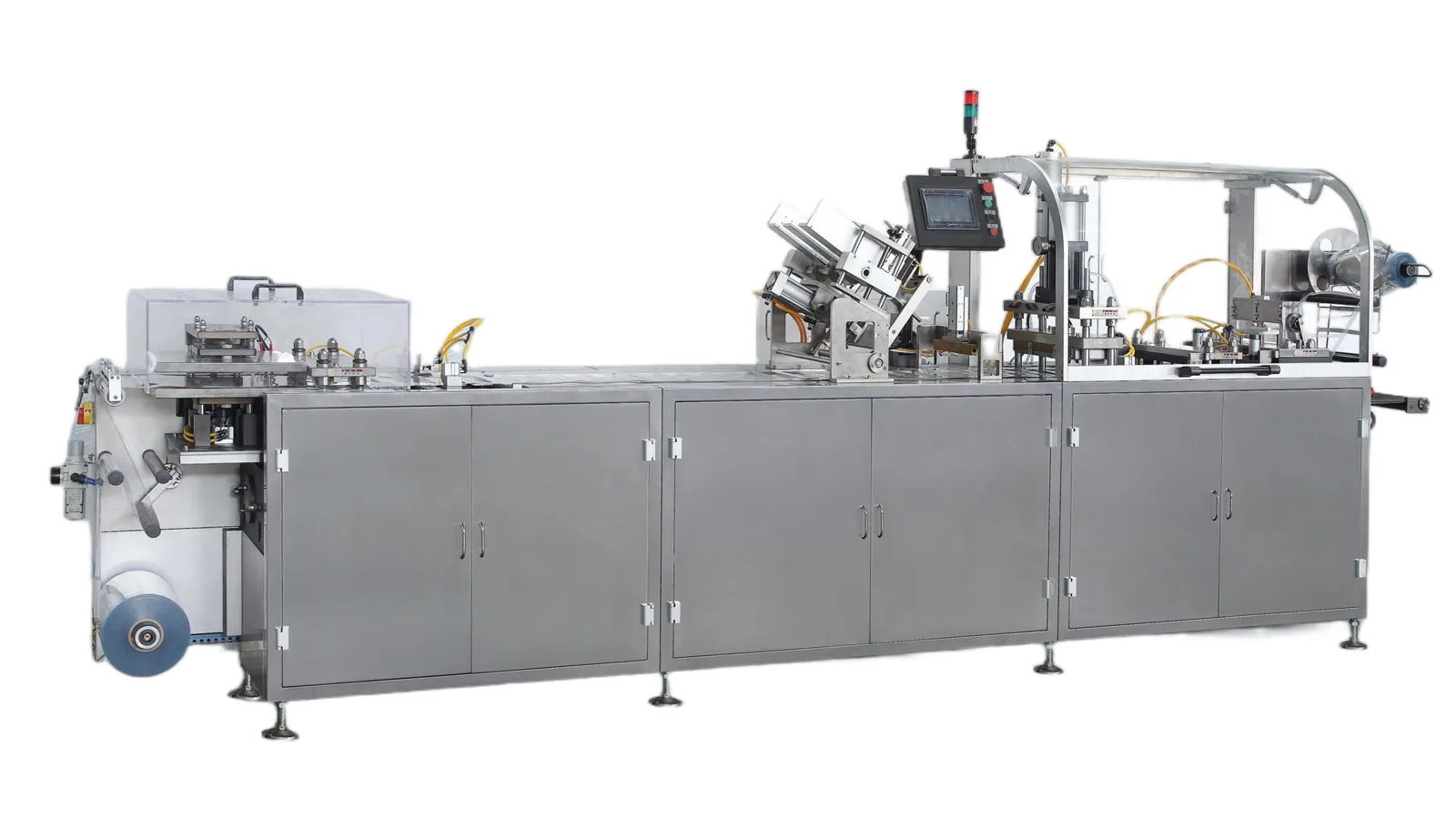
Standard machines cannot do this. But at Wenzhou Kxite Machinery, our NJP Series Capsule Filling Machines are designed as modular platforms. By adding specialized feeding stations, we transform a standard filler into a complex drug delivery system.
1. Why Choose Combination Filling?
Putting multiple forms into one capsule isn't just a gimmick; it solves critical formulation challenges:
- Modified Release Profiles: You can mix "Fast" (Powder) and "Slow" (Enteric-coated Pellets) components to maintain therapeutic drug levels over 24 hours.
- Incompatibility Resolution: If API 'A' reacts with API 'B', you can compress 'A' into a tablet and surround it with 'B' as a powder, minimizing direct contact.
- Marketing Advantage: A unique visual appearance (e.g., a colorful tablet inside a clear capsule) prevents counterfeiting and enhances brand recognition.
2. Tablet-in-Capsule Technology
This is one of the most requested features for Tablet in capsule technology. The challenge is ensuring that exactly one tablet enters every capsule without damage.
How Kxite Does It:
We integrate a specialized Tablet Feeder Unit onto the NJP machine's rotary table.
1. A vibratory bowl aligns the tablets.
2. A vertical channel feeds one tablet into the capsule body.
3. Crucial Step: A sensor verifies the presence of the tablet. If the tablet is missing, the machine automatically rejects that capsule later, ensuring 100% safety.
3. Pellet and Micro-Granule Filling
Pellets (tiny spheres) are ideal for coating. With a Pellet filling device for NJP, you can achieve high-precision dosing using a volumetric chamber method, similar to how powder is measured but much gentler to prevent crushing the delicate coating.
Dual-Pellet Capability: We can even install two pellet feeders to fill two different types of pellets (e.g., color A and color B) into the same capsule.
4. Supported Filling Combinations on Kxite Machines
Our NJP Series is modular. Here is a breakdown of the possible combinations you can achieve.
| Combination Type | Typical Application Case | Required Device / Station |
|---|---|---|
| Powder + Pellet | Immediate release API (Powder) + Sustained release API (Pellet). |
Standard Powder Station + Pellet Feeder |
| Tablet + Powder | Separating incompatible ingredients; Boosting dosage. |
Tablet Feeder + Standard Powder Station |
| Pellet + Pellet | Combining two different drugs that require different pH release points. | Dual Pellet Feeders (Station A & Station B) |
| Liquid + Band Sealing | Capsule filling liquid and powder (Suspensions); Bioavailability enhancement. |
Liquid Pump Station + Downstream Band Sealer |
| Tablet + Tablet | High-potency dual-drug therapy in a single capsule. | Dual Tablet Feeders |
Conclusion
Innovation in pharmaceuticals often requires innovation in machinery. Standard equipment restricts your creativity, but a modular platform liberates it.
At Wenzhou Kxite Machinery, we build our capsule fillers with the future in mind. Whether you need to fill a simple powder today or a complex multi-phase capsule tomorrow, our NJP Series offers the plug-and-play expandability your R&D team needs.
Developing a new combination drug?
Contact our engineering team to discuss custom feeding stations for your specific formulation.