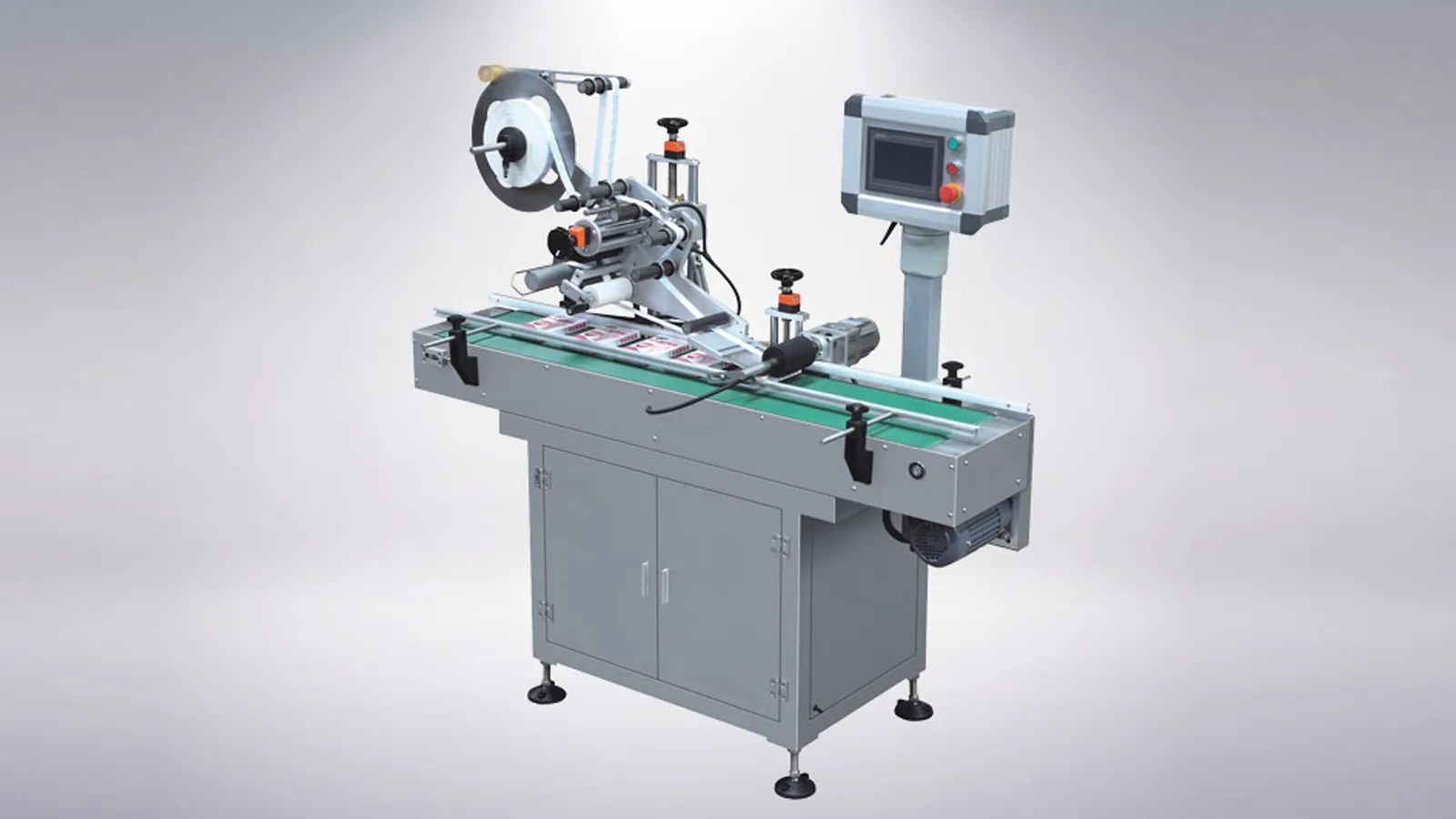
When buyers compare tube filling machines, most content talks about “differences” or “advantages.”
But in real production, that’s not what matters.
What actually matters is this:
If you choose the wrong tube type, even the best machine cannot fix leakage, shelf life issues, or user complaints.
So instead of listing specs, this guide gives you a practical decision flowchart—based on real production logic used by engineers and buyers.
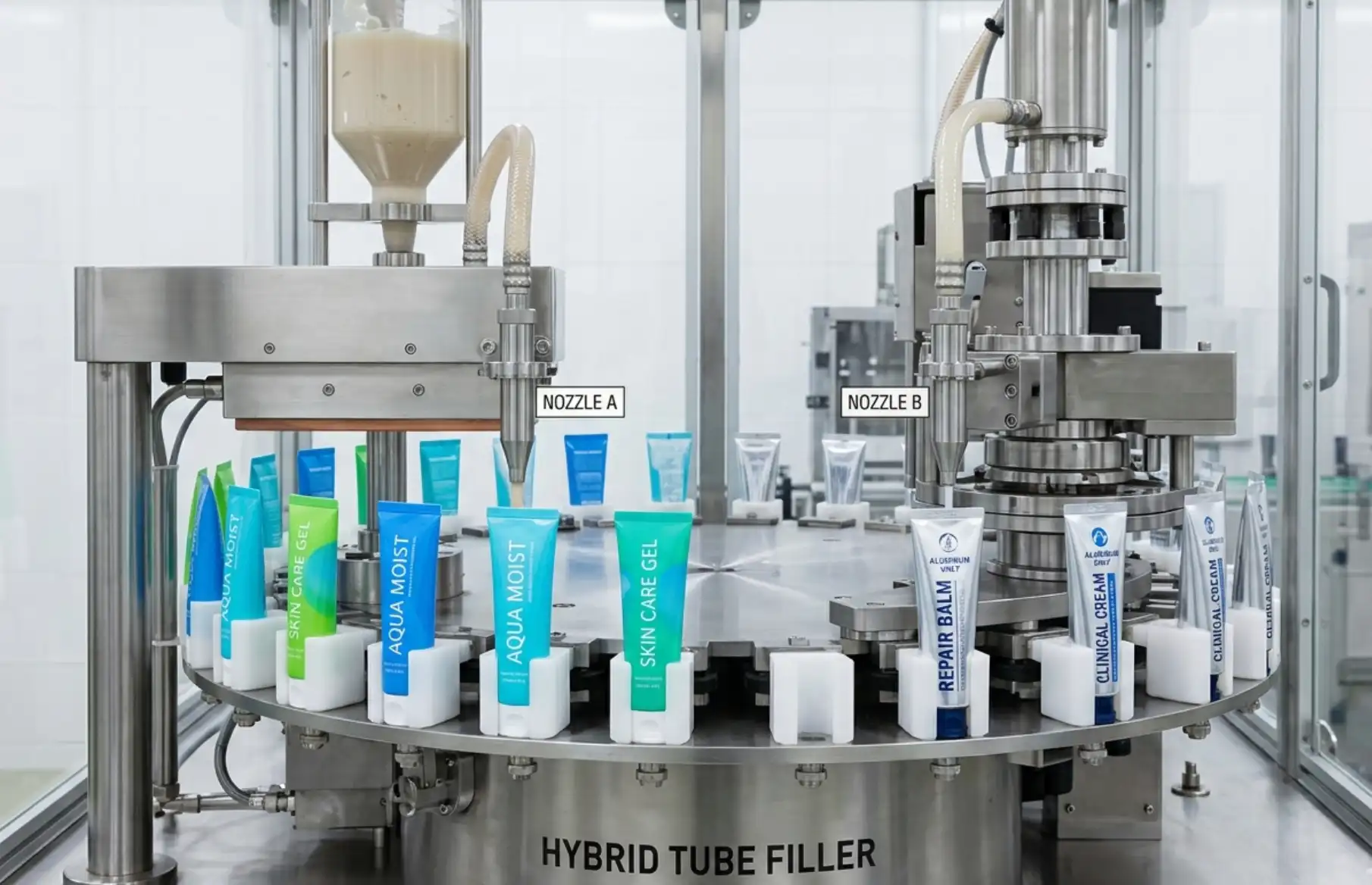
Step-by-Step Selection Flow
Step 1 — Is Your Product Sensitive to Oxygen, Light, or Moisture?
- YES → Choose Aluminum Tube + Aluminum Tube Filling Machine
- NO → Go to Step 2
Why this matters:
Aluminum provides near-complete barrier protection against oxygen and light, which is critical for pharmaceuticals and reactive formulations.
(Source: industry packaging consensus; commonly referenced in pharmaceutical packaging guidelines)
Step 2 — Is Branding and Appearance Important?
- YES → Choose Plastic / Laminated Tube + Plastic Tube Filling Machine
- NO → Go to Step 3
Why this matters:
Plastic (especially laminated tubes) supports high-quality printing and flexible design, widely used in cosmetics and FMCG packaging.
(Source: industry practice in cosmetic packaging)
Step 3 — What Is Your Product Viscosity?
- High viscosity (ointment, paste, cream) → Both options possible → Go to Step 4
- Low viscosity (gel, liquid) → Prefer Plastic Tube (better sealing control required)
Why this matters:
Low-viscosity products require more stable sealing systems (hot air or ultrasonic), otherwise leakage risk increases.
Step 4 — What Is Your Production Strategy?
- High-speed, large volume → Plastic Tube Filling Machine
- Medium / flexible batches → Both workable → Go to Step 5
Why this matters:
Plastic tube sealing (hot air) is generally more suitable for continuous automated production lines.
(Source: industry equipment design principles)
Step 5 — Do You Need Maximum Product Protection or User Experience?
- Maximum protection → Aluminum Tube
- Better user experience (squeezing, appearance) → Plastic Tube
Why this matters:
- Aluminum: deformable, prevents air backflow
-
Plastic: flexible, better for repeated use
(Source: packaging material behavior consensus)
Quick Decision Summary (For Fast Buyers)
| Your Priority | Recommended Solution |
|---|---|
| Product stability (pharma, active ingredients) | Aluminum tube filling machine |
| Branding & shelf appeal (cosmetics) | Plastic tube filling machine |
| High-speed mass production | Plastic tube filling machine |
| Industrial / chemical protection | Aluminum preferred |
| Flexible product line | Plastic preferred |
Typical Application Mapping
| Industry | Recommended Tube | Machine Type |
|---|---|---|
| Pharmaceuticals (ointment) | Aluminum | Aluminum tube filling machine |
| Cosmetics (cream, skincare) | Plastic / laminated | Plastic tube filling machine |
| Toothpaste | Laminated | Plastic tube filling machine |
| Adhesives / sealants | Depends on formulation | Case-by-case selection |
| Food paste | Plastic | Plastic tube filling machine |
Note: Adhesives and chemical products require compatibility testing (industry standard practice).
Common Mistakes Buyers Make (Very Important)
Mistake 1 — Choosing Machine Before Tube
Many buyers ask for machine specs first.
In reality, tube material should be confirmed first, then machine type.
Mistake 2 — Ignoring Product Stability
Using plastic tubes for oxygen-sensitive formulations can lead to:
- Reduced shelf life
- Product degradation
(Industry consensus in pharmaceutical packaging)
Mistake 3 — Overlooking Sealing Technology
Plastic tube machines require:
- Precise temperature control
- Stable heating system
Aluminum machines rely on:
- Mechanical folding precision
Choosing wrong = sealing failure.
Mistake 4 — Focusing Only on Initial Cost
Plastic is usually cheaper upfront, but:
- Wrong material → product waste
- Leakage → customer complaints
Real cost = material + failure risk
Advantages of Each Solution
Plastic Tube Filling Machine
- Better for branding and visual packaging
- Suitable for automated, high-speed production
- Flexible for multiple SKUs
Aluminum Tube Filling Machine
- Superior barrier protection
- More stable for sensitive formulations
- No heat sealing required
Disclaimer
- This guide is based on industry knowledge, equipment design principles, and packaging practices.
- Final selection should be validated through product testing and supplier consultation.
- Performance depends on formulation, tube structure, and production conditions.